
 EN
EN
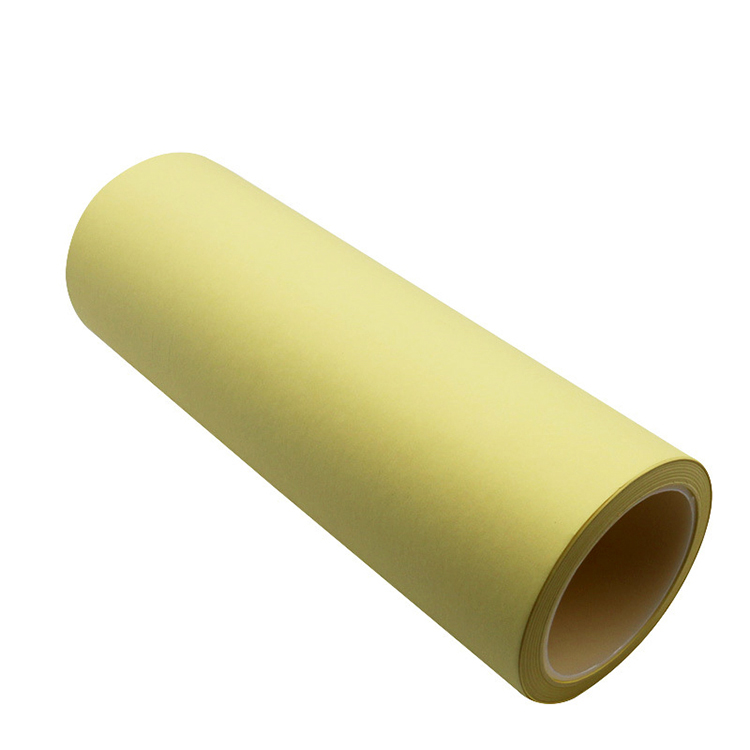
কোর উপকরণের সুবিধাসমূহ
টেপ উৎপাদনে, ডাবল-সাইডেড রিলিজ পেপারের অনন্য গঠন এবং তাপীয় চিকিৎসা পেপারটিকে বাজারের শীর্ষস্থানীয় উপকরণগুলির অপ্টিমাল রিলিজ পারফরম্যান্স প্রদান করে। এর কেন্দ্রীয় পারফরম্যান্স বৈশিষ্ট্যটি উভয় পাশে সমান সিলিকন কোটিং প্রয়োগ এবং শিল্প উৎপাদনের মানদণ্ডের মধ্যে ভ্যারিয়েশন কোএফিশিয়েন্ট (CV) মান < 3% এর মধ্যে নিয়ন্ত্রণের উপর নির্ভর করে। এই সিলিকন কোটিংটি পেপারের সমগ্র তলজুড়ে স্থিতিশীল (সুসংগত) রিলিজ ফোর্স নির্ধারণ করে। এই পেপারটির উচ্চ দৃঢ়তা মান (সাধারণত ১২০ mN·cm) রয়েছে, যার অর্থ হলো টেপ কোটিং এবং কম্পাউন্ডিং প্রক্রিয়ার সময় পেপারটি বাঁকবে বা কুঁকড়ে যাবে না। এক-পাশের রিলিজ পেপারের বিপরীতে, ডাবল-সাইডেড রিলিজ পেপার গ্রেডিয়েন্ট রিলিজ ফোর্স ডিজাইন সম্ভব করে, যার ফলে টেপটি এক পাশে সাবস্ট্রেটের সঙ্গে দৃঢ়ভাবে আটকে থাকে, অন্য পাশে সহজে সরানো যায় এবং কোনো অবশিষ্টাংশ রেখে যায় না। এটি দুই-পাশে আঠালো বৈশিষ্ট্য প্রদানকারী অধিকাংশ শিল্প টেপের জন্য একটি গুরুত্বপূর্ণ বৈশিষ্ট্য। পেশাদার উপকরণ পরীক্ষাগারে পরীক্ষিত ডাবল-সাইডেড রিলিজ পেপারগুলি -১০ ডিগ্রি সেলসিয়াস থেকে ১২০ ডিগ্রি সেলসিয়াস তাপমাত্রা পরিবর্তনের মধ্যেও স্থিতিশীল পারফরম্যান্স প্রদান করে বলে প্রমাণিত হয়েছে। এটি টেপ উৎপাদনের জন্য মৌলিক প্রযুক্তিগত প্রয়োজনীয়তা এবং শিল্প মানদণ্ড প্রদান করে।
স্বয়ংক্রিয় উৎপাদনে প্রক্রিয়াগুলির সামঞ্জস্যতা
টেপ উৎপাদনের সর্বশেষ প্রযুক্তি হল ডাবল-সাইডেড রিলিজ পেপারের বৃহৎ পরিমাণে উৎপাদন, যা টেপ উৎপাদন প্রক্রিয়ার সাথে অসাধারণ সামঞ্জস্যতা প্রদর্শন করে। উচ্চ কঠোরতাসম্পন্ন রিলিজ পেপারগুলি উচ্চ গতিতে ডাই-কাটিং প্রক্রিয়ায় (যা ঘণ্টায় ১২০ মিটার/মিনিট পর্যন্ত হতে পারে) ছুরির লাফানো এবং প্রান্তের বাঁকানো—যা কাগজের উপকরণের ক্ষেত্রে একটি সাধারণ সমস্যা—থেকে মুক্ত থাকে। ইলেকট্রনিক উপাদানের বৃহত্তম নির্মাতাদের মধ্যে একটি প্রতিষ্ঠান জানিয়েছে যে, তাদের শিল্প টেপগুলির ডাই-কাটিং বর্জ্য ৩৭% কমাতে কাস্টমাইজড ডাবল-সাইডেড রিলিজ পেপার ব্যবহার করা হয়েছিল এবং মাউন্টিং বিট ১.৮ সেকেন্ড/পার্ট বৃদ্ধি পেয়েছিল। এটি কারণ রিলিজ পেপারটি একটি বিশেষভাবে প্রকৌশলীকৃত পৃষ্ঠ শক্তি দিয়ে ডিজাইন করা হয়েছে যা টেপের আঠালো পদার্থের সাথে কাজ করার জন্য অপ্টিমাইজ করা হয়েছে, ফলে টেপটি স্বয়ংক্রিয় মাউন্টিং হেডগুলিতে আটকে যায় না এবং ডাই-কাটিংয়ের পরে কোনও টেপের অবশিষ্টাংশ তৈরি হয় না। এই বৈশিষ্ট্যগুলি ডাবল-সাইডেড রিলিজ পেপারকে উচ্চ দক্ষতা ও উচ্চ উৎপাদন লাভের লক্ষ্যে কাজ করা টেপ নির্মাতাদের জন্য একটি মৌলিক সম্পদ করে তোলে।
টেপ উৎপাদনে মান নিয়ন্ত্রণের উন্নতি
টেপ পণ্যের মান উন্নয়ন দ্বিপার্শ্বীয় রিলিজ কাগজের কঠোর মান নিয়ন্ত্রণের উপর ব্যাপকভাবে নির্ভরশীল, যা বিভিন্ন কর্তৃপক্ষ স্বীকৃত শিল্প মানদণ্ড অনুসারে পরিচালিত হয়। উদাহরণস্বরূপ, গ্লাসিন রিলিজ কাগজের জন্য T/QGCML 397-2022 এবং রিলিজ বেস কাগজের জন্য GB/T 28207-2011। এই মানদণ্ডগুলি রিলিজ কাগজের প্রধান প্রযুক্তিগত মানদণ্ডগুলি—যেমন সিলিকন ট্রান্সফার হার, অবশিষ্ট আঠালো হার এবং পৃষ্ঠ দূষণ—বিস্তারিতভাবে বর্ণনা করে। যে দ্বিপার্শ্বীয় রিলিজ কাগজটি ব্যবহারযোগ্য হিসাবে বিবেচিত হয়, তার অবশিষ্ট আঠালো হার >৮৫% হওয়া আবশ্যিক এবং সিলিকন কাগজে স্থানান্তরিত হওয়া কোনো সমস্যা নয়, অর্থাৎ সিলিকন স্তরটি টেপের আঠালো স্তরকে দূষিত করে না এবং আঠালো কার্যকরী থাকে। বাস্তব উৎপাদন প্রক্রিয়ায়, দ্বিপার্শ্বীয় রিলিজ কাগজের উৎপাদন ব্যাচটি ±২μm পুরুত্ব সহনশীলতা বজায় রাখতে সক্ষম হয়, যা টেপ কোটিংয়ের পুরুত্বের একরূপতা আরও শক্তিশালী করে। এভাবে, মানদণ্ডভিত্তিক মান নিয়ন্ত্রণ ব্যবস্থাগুলি টেপ পণ্যের মান নিয়ন্ত্রণের জন্য একটি দৃঢ় ভিত্তি প্রদান করে।
বৃহৎ স্কেল উৎপাদনের জন্য খরচ দক্ষতা
বৃহৎ আকারের টেপ উৎপাদনের জন্য, দ্বিপার্শ্বিক মুক্তি কাগজ বিভিন্ন উপায়ে খরচ কমাতে সাহায্য করে। একটি কাঁচামাল হিসেবে, এটি PET মুক্তি ফিল্মের তুলনায় সস্তা। এটি বিশেষভাবে মধ্যম ও নিম্ন-মানের টেপ উৎপাদনের ক্ষেত্রে প্রযোজ্য, যেখানে চাহিদা বেশি এবং সরবরাহ শৃঙ্খল কম উন্নত। উৎপাদন প্রক্রিয়ার দিক থেকে দেখলে, দ্বিপার্শ্বিক মুক্তি কাগজ অত্যন্ত সুসংগত ও নমনীয়, যার ফলে উৎপাদন অপচয় কমে এবং পুনরায় কাজ করার খরচও কমে। এছাড়া, দ্বিপার্শ্বিক মুক্তি কাগজ রোলে সরবরাহ করা হয়, যার ফলে এটি সরাসরি স্বয়ংক্রিয় টেপ উৎপাদন সরঞ্জামে সরবরাহ করা যায়। এর ফলে শীট কাটিং ইত্যাদি দ্বিতীয় প্রক্রিয়াগুলোতে সময় ও শ্রম খরচ কমে। পার্ল রিভার ডেল্টা অঞ্চলে অবস্থিত একটি টেপ উৎপাদন প্রতিষ্ঠান হিসাব করেছে যে, দ্বিপার্শ্বিক মুক্তি কাগজ ব্যবহারের ফলে ডাই-কাটিংয়ের অপচয় কমানো এবং উৎপাদন দক্ষতা বৃদ্ধির মাধ্যমে প্রতি ইউনিট উৎপাদন খরচ প্রায় ১৫% কমেছে, যখন পণ্যের মানের মানদণ্ড অপরিবর্তিত রাখা হয়েছে। দ্বিপার্শ্বিক মুক্তি কাগজের সরবরাহ শৃঙ্খলও কম উন্নত, যার ফলে টেপ নির্মাতারা সরবরাহ চক্র ও মজুদ খরচের ক্ষেত্রেও কম খরচ বহন করেন।
দ্বিমুখী রিলিজ কাগজের বহুমুখিতা
দ্বিমুখী রিলিজ কাগজের বহুমুখী ব্যবহারের কারণে এটি বিভিন্ন শিল্পখাতের জন্য বিভিন্ন ধরনের টেপ উৎপাদনে ব্যবহৃত হয়। ইলেকট্রনিক উৎপাদন শিল্পে, উচ্চ পরিষ্কারতা সম্পন্ন দ্বিমুখী রিলিজ কাগজ এফপিসি (FPC) শক্তিকরণ এবং ক্যামেরা মডিউল অবস্থান নির্ধারণের জন্য নির্ভুল টেপ তৈরি করতে ব্যবহৃত হয়। ইলেকট্রনিক উৎপাদনে এই ধরনের টেপ প্রায়শই সেইসব অ্যাপ্লিকেশনে ব্যবহৃত হয় যেখানে ধূলিকণা ও অবশিষ্টাংশ ইলেকট্রনিক উপাদানগুলির কার্যকারিতা প্রভাবিত করতে পারে। গাড়ি শিল্পে, উচ্চ তাপমাত্রা প্রতিরোধী দ্বিমুখী রিলিজ কাগজ গাড়ির অভ্যন্তরীণ টেপ তৈরি করতে ব্যবহৃত হয় যাতে উচ্চ তাপমাত্রায় বেকিং প্রক্রিয়া সহ্য করা যায়। প্যাকেজিং শিল্পে, কম খরচের দ্বিমুখী রিলিজ কাগজ কম খরচে এবং উচ্চ আঠালো কার্ট ও এক্সপ্রেস ব্যাগের জন্য সিলিং টেপ উৎপাদনে ব্যবহৃত হয়। প্যাকেজিং শিল্পে ফোকাস করা একটি টেপ সরবরাহকারীকে প্যাকেজিং টেপের জন্য বিভিন্ন ধরনের রিলিজ বল সম্পন্ন দ্বিমুখী রিলিজ কাগজ ব্যবহার করতে হবে, যাতে তাদের গ্রাহকদের বৈচিত্র্যপূর্ণ চাহিদা পূরণ করা যায় এবং তাদের টেপ পণ্যের বাজার প্রতিযোগিতামূলকতা বৃদ্ধি করা যায়। এর অর্থ হলো যে, দ্বিমুখী রিলিজ কাগজ টেপ উৎপাদন শিল্পে একটি বহুমুখী কাঁচামাল।
শেষ ব্যবহারের পণ্যগুলিতে বিশ্বস্ততা
ডাবল-সাইডেড রিলিজ পেপারের যে ধরনটি ব্যবহার করা হয়, তা চূড়ান্ত টেপ পণ্যগুলির দীর্ঘমেয়াদী নির্ভরযোগ্যতা নির্ধারণ করে। যোগ্যতাসম্পন্ন ডাবল-সাইডেড রিলিজ পেপার ছাড়ার পর কোনও আঠালো অবশিষ্টাংশ রাখে না। এটি নিশ্চিত করে যে টেপটি যেকোনো লক্ষ্য সাবস্ট্রেটের সঙ্গে দৃঢ়ভাবে আটকানো যাবে এবং দূষণকারী পদার্থের কারণে আঠালো বন্ধনের উপর কোনও নেতিবাচক প্রভাব পড়বে না। টেপ পণ্যগুলির বয়স্করণ পরীক্ষায়, স্ট্যান্ডার্ড ডাবল-সাইডেড রিলিজ পেপার ব্যবহার করে তৈরি করা টেপটি ৬০° সেলসিয়াস তাপমাত্রায় অবিচ্ছিন্ন ৭২ ঘণ্টা লোড প্রয়োগের পর ০.৫ মিমি-এর কম পরিমাণ বিকৃতি (ক্রিপ) দেখায়। এই টেপটি উচ্চ আঠালো স্থায়িত্বও প্রদর্শন করে। বিজ্ঞাপন টেপের মতো বহিরঙ্গন টেপগুলির ক্ষেত্রে, ব্যবহৃত ডাবল-সাইডেড রিলিজ পেপারের আবহাওয়া প্রতিরোধী গুণাবলী থাকে, যা উৎপাদন ও সংরক্ষণের সময় পরিবেশগত কারকগুলির কারণে টেপের আঠালো স্তরের বয়স্করণ ও বন্ধন বিচ্ছিন্নতা থেকে রক্ষা করে। পেশাদার টেপ পরীক্ষায় দেখা গেছে যে, উচ্চমানের ডাবল-সাইডেড রিলিজ পেপার ব্যবহার করলে স্ট্যান্ডার্ড টেপের তুলনায় টেপের সেবা আয়ু অন্তত ২০% বৃদ্ধি পায়। এটি ডাবল-সাইডেড রিলিজ পেপারের চূড়ান্ত টেপ পণ্যগুলির নির্ভরযোগ্যতার উপর গুরুত্বপূর্ণ প্রভাব দেখায়।