
 EN
 AR
 FR
 DE
 HI
 JA
 PT
 RU
 ES
 ID
 FA
 UR
 BN
 VI
 KO
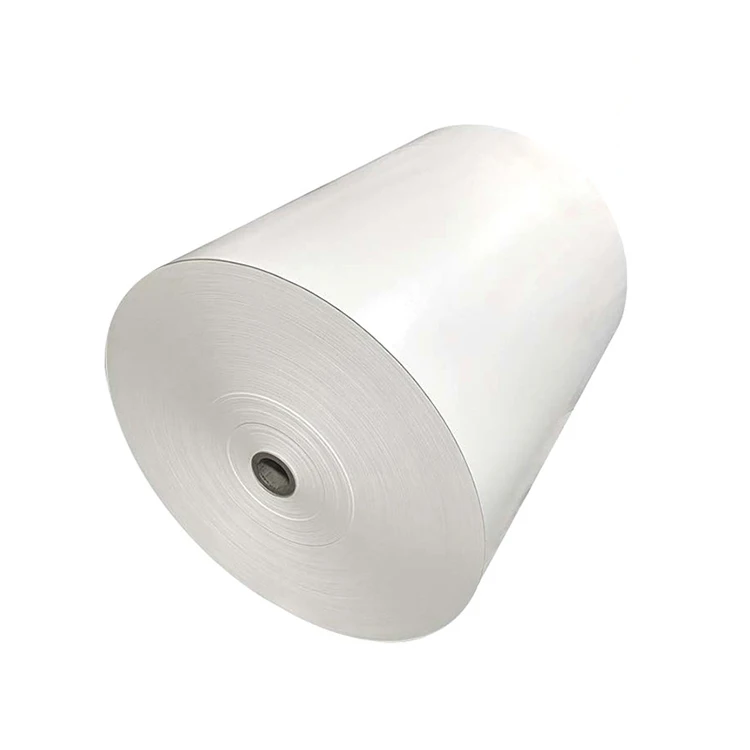
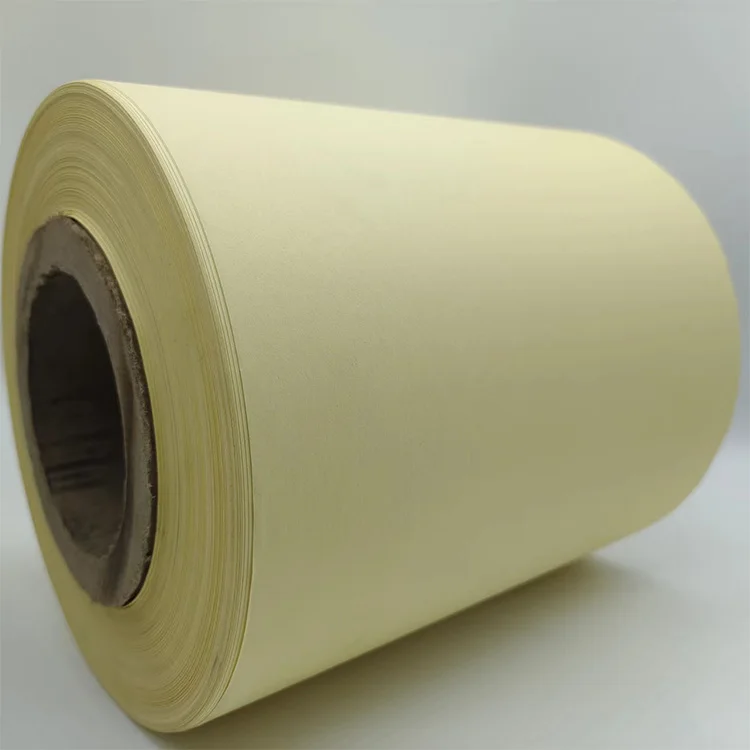
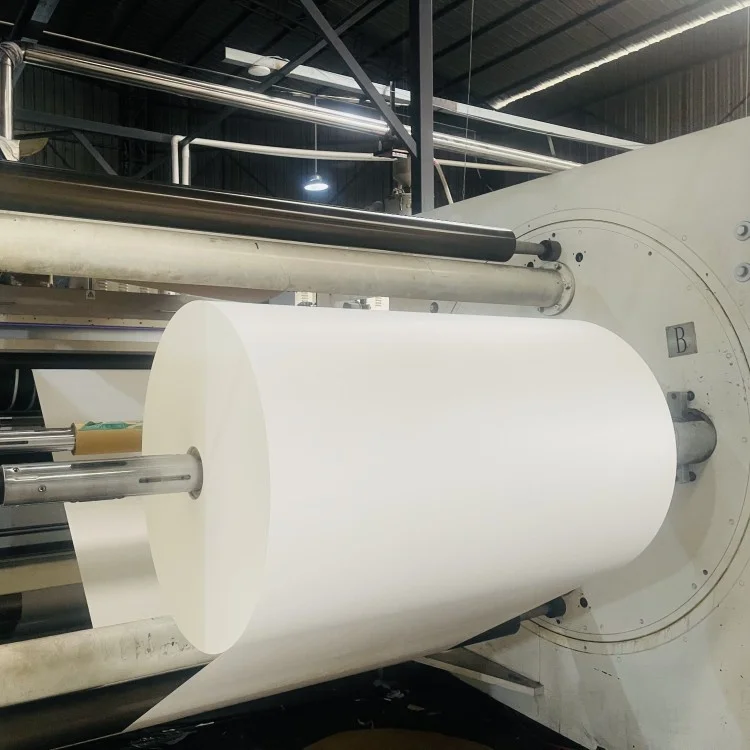
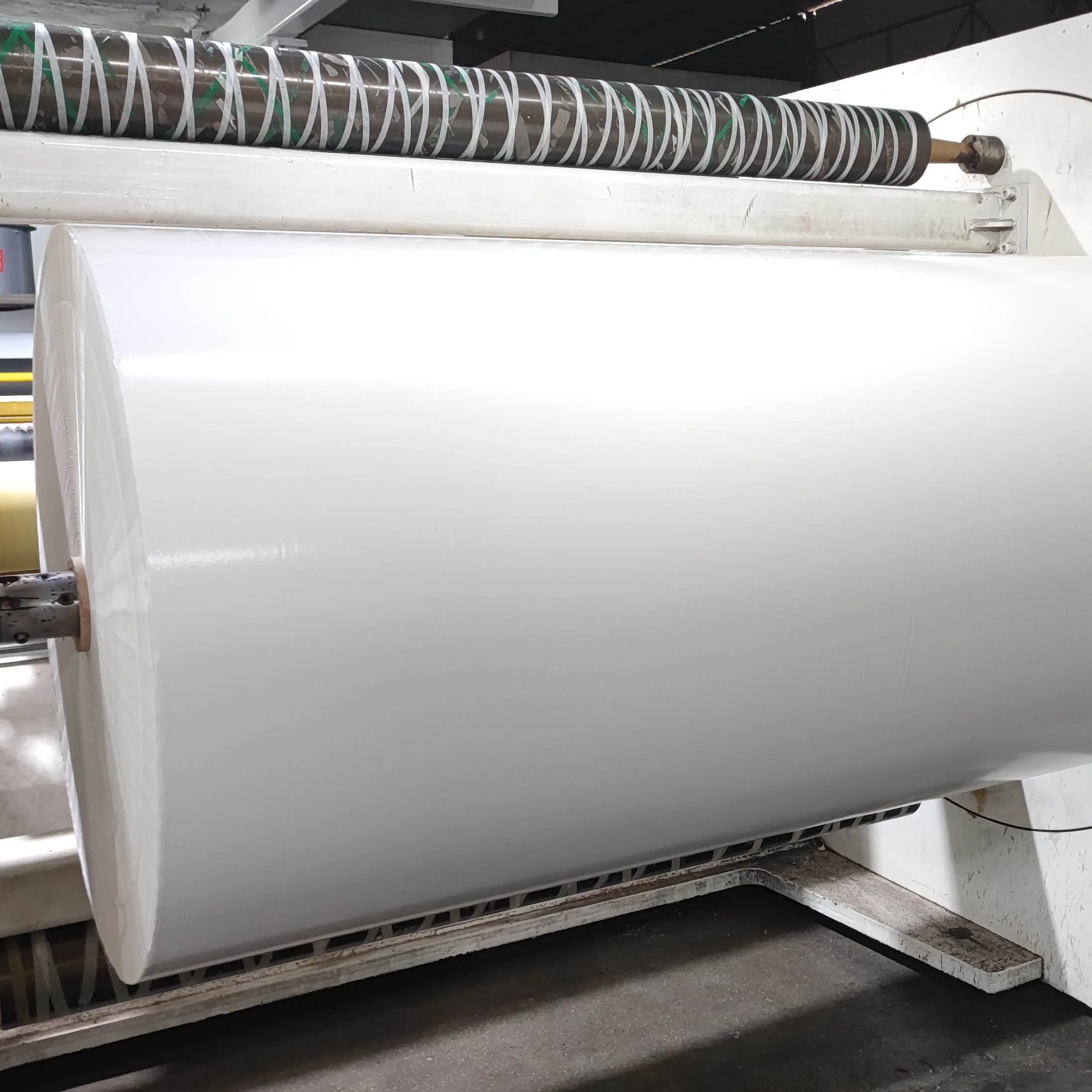
Silicone coated paper is the release liner that carries a label until the moment it is applied. It is a paper base coated with a thin silicone layer, so the adhesive label peels off cleanly without tearing the backing or leaving silicone on the glue.
The two workhorses are glassine release paper and kraft release paper. Glassine is smooth, dense and cheap, the standard for pressure-sensitive labels; kraft is stronger and used where the liner itself has to survive handling or where a thicker, more tactile backing is wanted.
What the silicone layer does
The silicone coating creates a low-energy surface the adhesive cannot bond to permanently. The result is controlled release: low-release liners let lightweight labels peel easily, while higher release force stops small labels from lifting during die-cutting and high-speed dispensing. Getting the release force right is the difference between a label that feeds reliably and one that jams a line.
Glassine versus kraft
Glassine release paper is super-calendered for density and smoothness, the default for self-adhesive labels, stickers and tapes. Kraft release paper uses a stronger kraft base, often with a PE coating on the back, and is chosen for logistics labels, double-sided tape and applications where the liner must stay flat and resist moisture.
Why liner quality matters
A release liner affects every downstream step. Uneven silicone coverage causes variable peel; a liner that curls blocks the die-cutter; a liner with dust or pinholes transfers defects onto the adhesive. For converters, consistent caliper, flatness and silicone cure are the qualities that matter most, not just the paper grammage.
Ähnliche Produkte
FAQ
What grammage is used?
Glassine release liner commonly runs from about 60 to 120 gsm, and kraft from 60 gsm upward depending on the required strength. The choice depends on the label weight and the application machine rather than on a single standard.
Can it be printed or slit?
Yes. Release paper can be slit to width and printed on the back for branding, order codes or instructions. Printing is normally done on the non-silicone side.
Ähnliche Beiträge
Warum silikonbeschichtetes Glassinpapier für Etiketten geeignet ist
Discover why silicone glassine paper is the top choice for durable, eco-friendly labels. Ensures easy release, strong adhesion, and print versatility. Learn more now.
Tipps zur Verwendung von Silikonpapier beim Backen
Maximize your baking efficiency with expert tips on using silicone paper correctly. Discover how to prevent common mistakes, reuse properly, and achieve non-stick, evenly baked results every time. Learn more now.
Welche Vorteile bietet Silikonpapier beim Backen von Kuchen?
Discover why silicone paper is essential for perfect cakes—non-stick, heat-resistant, and eco-friendly. Improve bake quality and cleanup. Try it today.
Ähnliche Suchbegriffe
Tell us the label type, adhesive and application speed; we will recommend the glassine or kraft release liner with the right release force.