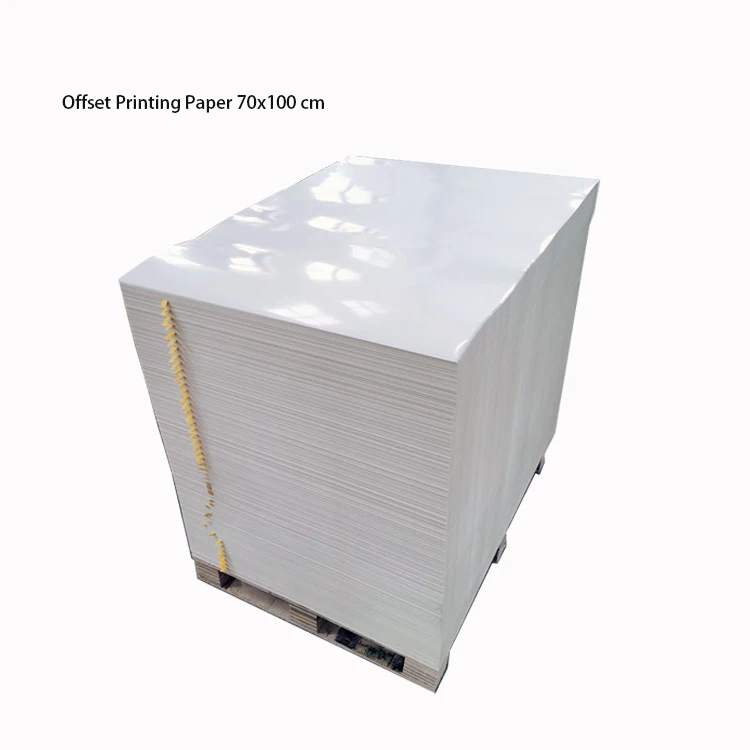
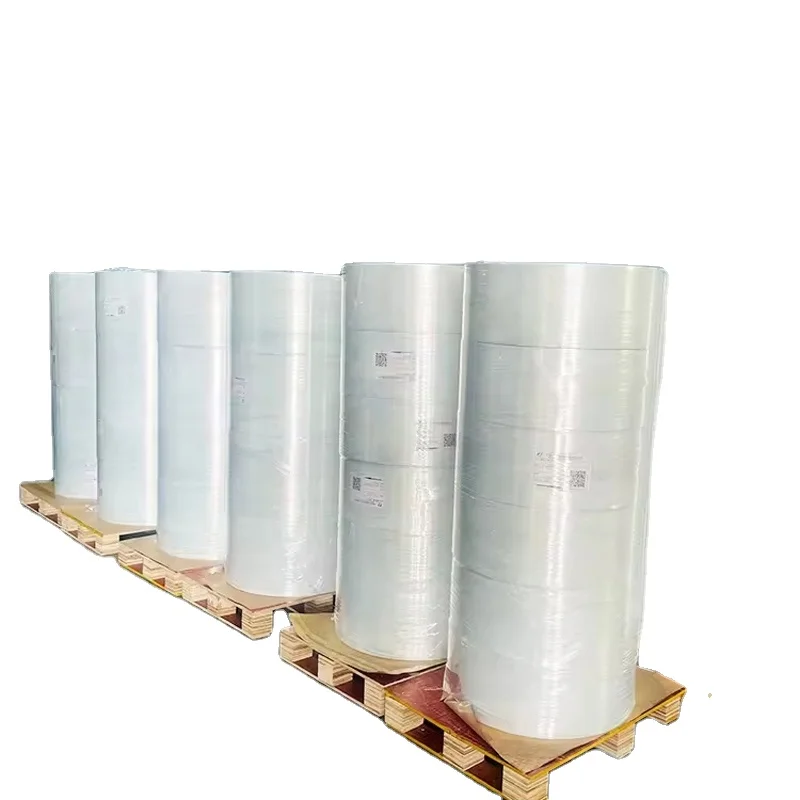
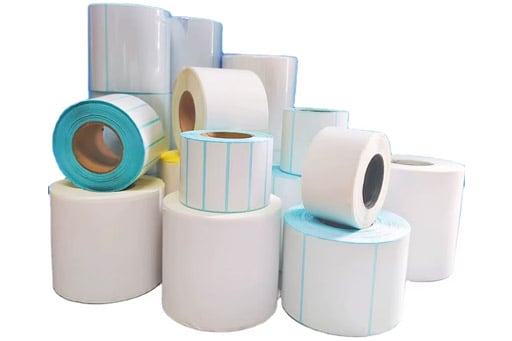
Identifying which release paper to pick for pressure-sensitive tapes begins by establishing what requirements, or ‘core needs’ the tape has. Different use cases for pressure-sensitive tapes have different needs for release paper. For example: tapes and their release paper for the logistics and warehouse sector endure a lot of moisture and handlings, whereas tapes for the high-end cosmetics packaging industry require their release paper to have a high degree of surface smoothness so the tape's adhesive is not damaged.
Confirming which key performance indicators of the tape are crucial, such as type of adhesive, thickness, and use case environment is essential. For example, tapes with acrylic adhesives would be better paired with release papers that have somewhat of a moderate silicone coating density. Tapes with hot-melt adhesives would need a release paper that has a higher temperature resist. If these factors are to be ignored or not considered, it would lead to problems such as the tape being otherwise difficult to peel, the adhesive surface becomes released, or the tape has a service life that is otherwise not long.
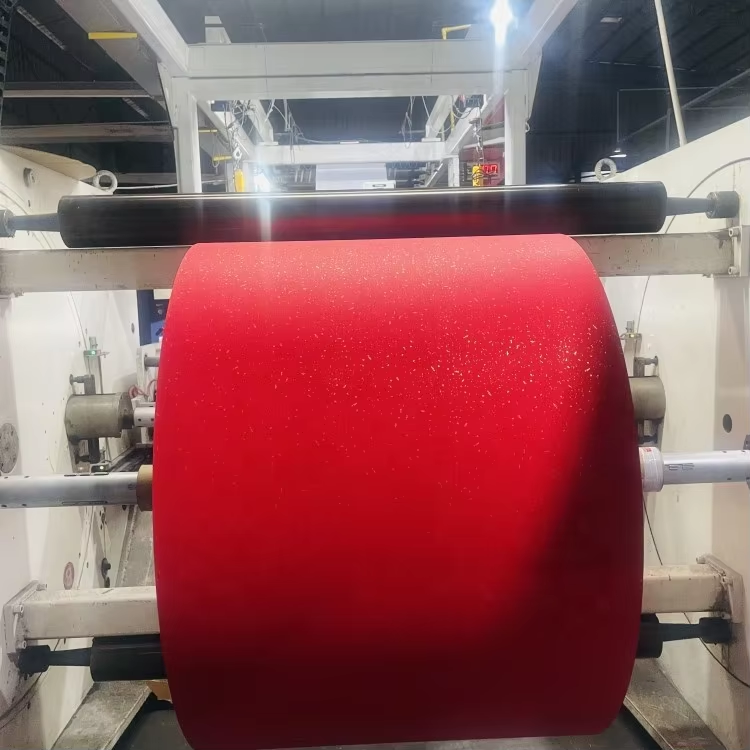
The quality of the release paper dictates how it performs with pressure-sensitive tapes. If the release paper does not have good quality, it will most likely be made of wood-free paper, kraft paper, or low-grade polyester. Good quality release paper however, will have more wood-free release paper, slight paper, or polyester film. These will give the release paper good tensile strength and good flatness. Another thing to look at is the silicone coating. Silicone coating is also very important, but for uniform coating to happen, silicone coating silicone needs to be uniform, otherwise, there will be inconsistent release forces, too tight or too loose of release.
Surface smoothness, coating uniformity, and coating resistance to water, oil, and tearing, will be the most important aspects of low to good quality release paper. Poor quality release paper will likely have a great variance in release potential and the tapes overall application efficiency will be lowered. High quality release paper should always have international certification standards, which depends on the specific industry. A good example of this is the medical and food industry, and the tapes used will always require silicone coating release paper to be of good quality.
In order to maximize the value of pressure-sensitive tapes, release paper should also be evaluated in the context of its specific application. Release paper used in high-speed labeling for high-speed industrial production must have high dimensional stability in order to prevent winding jams. If the tapes will be used in outdoor settings, the release paper must not allow the tapes to suffer from UV and extreme temperature exposure, as this will cause premature aging of the tapes.
In the retail and consumer goods space, the release paper needs to be quick and easy for the consumer to peel. Take the pressure sensitive tape on products for example, the release paper needs to peel off the tape readily without any residue. By thinking of the unique environment and usage of the tape meant to be used with, helps make sure the release paper stays useful and doesn't cause any unnecessary headaches.
Cost effectiveness almost always comes into play for companies when choosing which release paper to go with. Just because release paper is on the higher end of the pricing doesn't always make it the best option. Sometimes best option for the customer is the one that provides the most value and is more reasonably priced. A scenario where this is the case is when there are large scale applications, like wood free paper is an excellent choice for release paper. Is more economically reasonable with higher volume uses like logistic packagings where needs are low and performance needs are only baseline.
In high end applications like to electronic components, there is more justification of cost when choosing release paper of higher quality polyester films. This is to ensure that adhesive performance of the tape is retained as well as the protection of the electronic component of high value. Long-term effects also needs to be considered, low quality release paper may result in tape wastage and poor production efficiency. This can also incur costs for defects on the end product which is as a result of low quality release paper and the effects may be higher than the costs you totalled in mind when choosing the release paper.
A supplier’s background, training, and experience should impact the quality of the products and services they will be able to offer, and that impact should be positive. Competent suppliers should be able to give their clients adequate and customized professional offerings. Each supplier should be able to provide release paper based on the client's specific tape product, usage, and professional guidance at each paper’s point of release. Competent, professional suppliers should be able to provide their clients adequate service for each tape and application usage.
Professional suppliers should be able to provide good customer service. Customer service is based on active communication and getting back to the customer in a timely manner. After service communication is also very important in solving problems that the customer is having in the application of the product in their work process. Professional, empowering customer service also solves the customer’s needs at work in a timely manner. Professional suppliers will be able to adjust and customize the release paper in terms of dimensions, coating thickness, and the material of the paper. Those service offerings will also enhance the work they will do with pressure-sensitive tapes.
Choosing which release paper to use along with the type of pressure sensitive tape you need entails considering the pressure sensitive use, release paper quality metrics, environmental match paper, performance and cost balance, and professional suppliers. Clear as to tape use and need to then maximize performance of pressure sensitive tape and release paper quality, businesses enhance quality of product, efficiency of application. This not only provides economic gain and cost efficiency, but also provides the edge of competition.
 Hot News
2025-06-01
2025-08-22
2025-08-21
2025-08-20
2025-12-31
2025-12-29

Dongguan Kjnmatech Co., Ltd. provides custom self-adhesive labels, stickers, and thermal barcode solutions for industrial and consumer products. ISO-certified quality, 19+ years of manufacturing expertise, SGS & FSC certified. Request a quote today.
Room 101, No.31 Xinnong Road,Nancheng Street, Dongguan City, Guangdong Province, China
Copyright © 2025 by Dongguan Kjnmatech Co., Ltd. Privacy Policy
 EN
EN