
 EN
EN
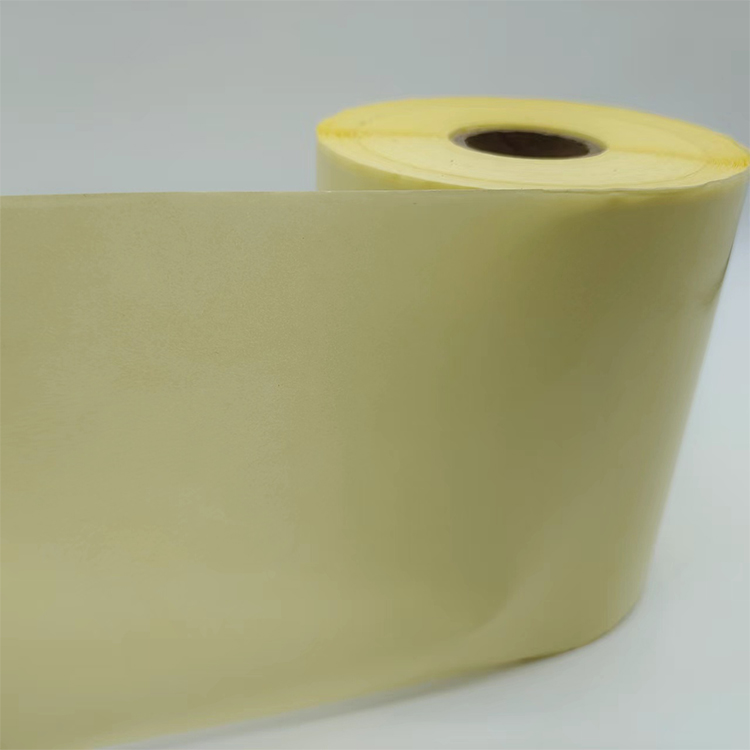
Double sided release paper seems like a trivial part of the tape selection process, but it impacts the performance of tapes more than you may think. Most customers end up with issues like poor adherence, hard peeling, or even product failures because they chose a release paper that isn’t tailored to their specific tape applications. Picking double sided release paper isn’t about picking the most popular or most expensive release paper. It is about fitting the release paper to the applications of the tape.
What to Consider When Selecting Double Sided Release Paper
You need to understand the most important properties of double sided release paper that can impact the performance of tapes. One of the most important is release force. Release force can described as light, medium, or heavy. Each of these release forces can be impact different tapes. For light release force, it is good for low-tack tapes. An example is a tape is temporary bonding. Light release forces are optimal for easy peeling to avoid leaving residue after. On the other hand, heavy release forces can be optimal for high adhesive industrial tapes.
Base materials are also important. Papers are the most economical release materials. They're good for most general-purpose tapes that are used in dry, room-temperature environments. Films are more expensive, but also have better resistance to moisture, high temperatures, and mechanical stress. This makes them better for tapes that are used in more extreme conditions, like automotive under-hood applications, or in outdoor packaging.
Coating type also matters. The most common release coating are the silicone based ones, as they have the most release consistency. The main quality variable in the coating is the coating itself. A tape can have a perfect release, but if the coating was done unevenly it can cause the tape to stick and not release at random. In contrast, a tape with a coating done uniformly and of high quality, will with certainty perform at the same level every time.
Learning from Real World Application Cases
Understanding problems on a deeper level is crucial for every solution, even if it is not in the realm of packaging. For instance, one of our customers in the packaging industry has persistent problems with production stops because they use heavy-release paper with low-tack sealing tapes. Workers were wasting time peeling tapes and it was really causing a bottleneck in production. Once they changed to a light-release paper compatible with the level of adhesion of their tapes, they increased production by twenty percent and received no more complaints from customers about the tape being difficult to use.
Another example comes from the electronics industry: A manufacturer used paperbased release papers for tapes bonding sensitive components, which may get exposure to mild moisture during assembly. Paper absorb moisture which cause the adhesive on the tapes to lose adhesion, shifting the components. The moisture was the cause of the issue, and switching to a film based release paper solved the problem, which repelled moisture and maintained consistent performance, decreasing product defects by 15%.
Referring to Industry Standards and Expert Insights
The reliable selection is to stick to industry standards and expert recommendations. The adhesion and release properties of the tape are established by the ASTM D3330 standard, which is known to act as a benchmark for compatibility between tape and release paper. Observing this standard helps to avoid mismatches which lead to performance issues.
An expert from the International Association of Advanced Materials stated, “Selecting release paper without considering industry standards is a risk. Standards provide stability, and consistency is crucial for businesses that depend on tape to guarantee product quality.” Moreover, suppliers that comply with the ISO 9001 quality management systems are more likely to offer release paper that meet the performance criteria of the quality management systems and this serves as a basis of reliability.
How Value and Tech Advantage Intertwine
The right tech advantages of double sided release paper can translate to commercial value. When users face a consistent release force, there will be less wasted material. No tapes will get thrown away due to peel off errors or stick too aggressively. A durable base material, like high quality film, lowers the frequency of replacements and cuts longterm costs for high volume users.
The quality of coatings can enhance the quality of the end-product. A clear example is the tape in the packaging of a medical device. There has to be a precise release so that the packaging can be applied in a sterile manner. The right release paper in this case is to help with the said criteria and is also to help meet regulatory requirements and customer trust. In the context of B2B, the performance of the tape can be excellent, so this will be a competitive advantage, higher pricing tier, and customer stickiness.
Making the Right Choice
Making the correct choice is simpler than what it is made out to be. First, determine the definitive core attributes of the tape. What is the level of adherence, what is the composition, rubber or acrylic, what is the purpose, and what is the intended use for it? Next, what are the factors surrounding the intended purposes of the application? Factors such as temperature ranges, relative humidity, and pressurization can ascribe to the performance of the release paper for the intended purpose.
Testing out the products is essential to gain information regarding various aspects such as possible release issues, compatibility issues, and other such problems that may not be described in the details around the product. Based upon the information described, consider the history of the provider. Based upon the information specified, what helps determine if they follow through on what they are describing? Reviews, quality certifications, and case studies? Consider the scalability of the provider as well. Choose a release paper that will adapt to any adjustments to your tape applications in the future.
Conclusion
Choosing double-sided release paper is part of the tape functionality, cost reduction, and customer trust-building. It’s also integrating industry insights with practical learnings and a bit of technical understanding. Businesses can eliminate guesswork and achieve a balanced technical and commercial outcome by focusing on key attributes, real-world learnings, applicable standards, and practical recommendations. Getting this selection right will bring operational fluidity, reduction of defects, and enhanced customer connectivity. It’s worth the time.