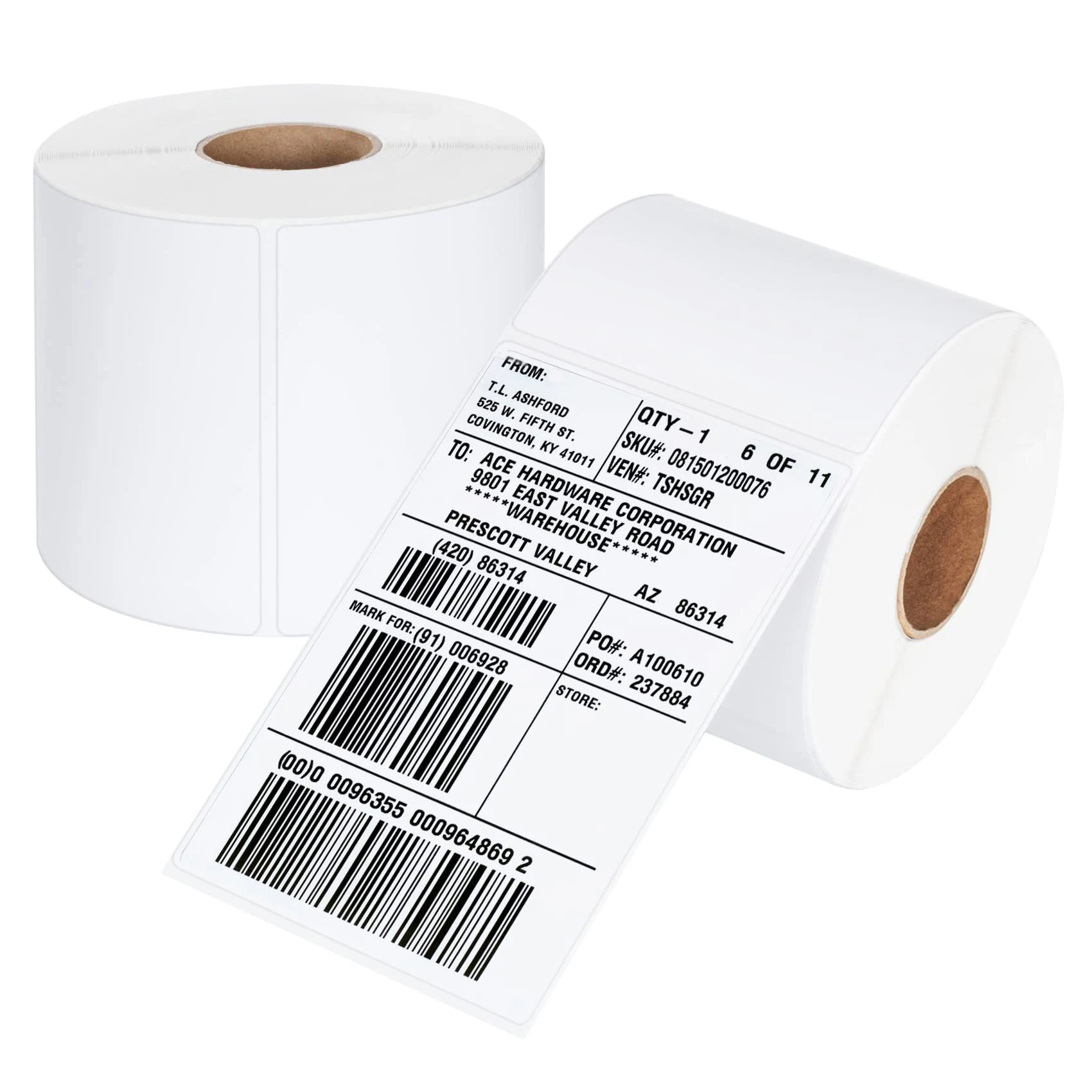
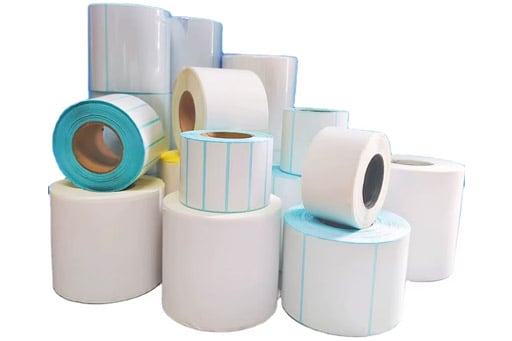
Stacks of adhesive are frost resistant and readable, and are needed for all areas of cold chain logistics, refrigeration in retail, and food storage. A frost resistant adhesive is not merely a fortunate outcome. It instead is the direct result of scientific material choice, formulated design, and technical refinement. Below are the key attributes behind the frost resistance of the adhesive.
The secret to frost resistance is integrated into the construction of the adhesive itself and how they withstand the challenges of the cold are critical. Standard adhesives will become brittle, lose viscosity, and all of them will sheer off when freezing temperatures are present. Thankfully, freezer sticker adhesives do not face these issues. Targeted ingredient selection is often used. Flexibility and adhesion retain at temperatures down to and even below -20C with the use of modified acrylic or rubber based adhesives. The formulation of these adhesives is engineered with lower glass transition temperature, which is why they do not become rigid or brittle when in low temperatures. Special additives are introduced to improve adhesion to substrates that are even cold and/or damp, such as plasticizers and tackifiers. These formulations make certain that strong adhesion to plastic, glass, or paper remains even in low temperature conditions.
Freezers have condensation that leads to the forming of frost, which can compromise the bond between a label and a surface. Frost-proof adhesives freezer labels resolve the condensation issue with the inclusion of moisture-resistant materials. Such materials act as a barrier, protecting the adhesive layer from moisture ingress, which prevents hydrolysis and adhesion loss. The adhesive's cross-linked structure is also modified to defend against water wanting to enter the adhesive structure during condensation. If the label is subjected to a greater and more frequent range of temperature cycles during condensation, the adhesives is secure and moisture will be kept out. This moisture resistance prolong retention of adhesion and secure adhesion and further prevent the sticker from warping or curling, further protecting the printed details from destruction.
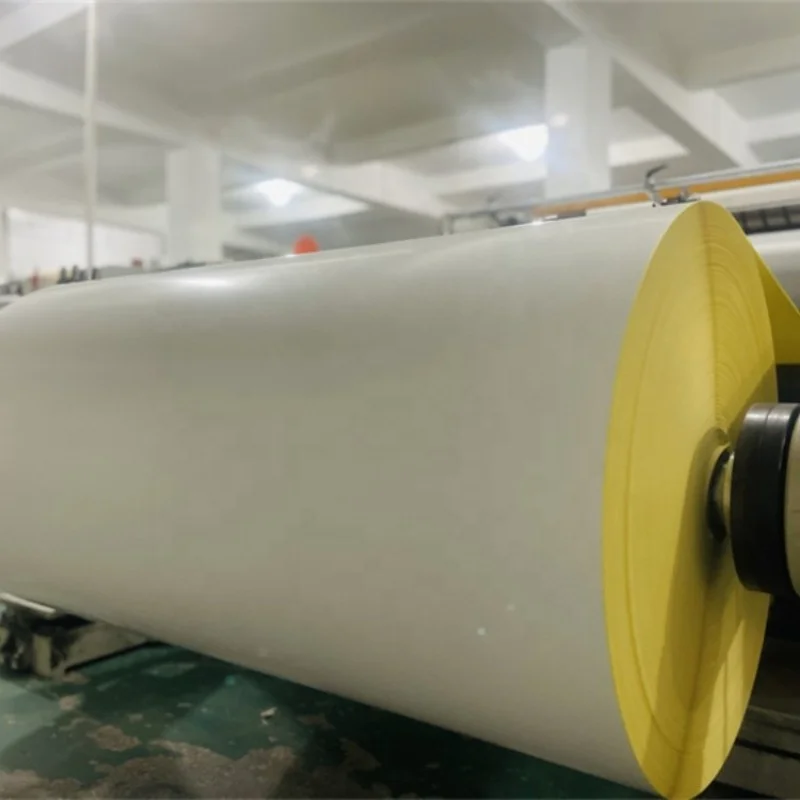
The frost resistance of a freezer sticker is not a singular function of the bonding agent but also how the bonding agent interacts with the substrate. Top tier freezer stickers employ substrates that stay flexible in low-temperature conditions, like thermal sensitive films, synthetic paper (PP) or polyethylene (PE) film. These materials won’t shrink, crack, or become britle when cooled, allowing the adhesive to have a more stable platform under it. The surface of the substrate is usually specially processed to enhance how well it fuses with the bonding agent. An example of this is with synthetic paper substrates. They have excellent moisture resistance and they also keep their structure under different temperature conditions. All of this makes synthetic paper the perfect combination with the specialized bonding agent to form a strong, flexible structure that breathes exactly how you would expect it to in the more extreme conditions of a freezer.
When are adhesives evaluated for cold environments? First, a deep freezer that runs anywhere between -10 and -30 degrees Fahrenheit for prolonged periods must be insulated and fully stocked with items that are deep frozen. Extremely cold items that are ice and frost covered will be cycled in. Over time, adhesives will be inspected for frost and ice build up and adhesion will be tested and scored. Commercial freezer stickers and adhesives are fully tested in these frigid environments with layers of extreme thinsulate in extreme cold all while maintaining high moisture environments. Adhesive strips will be glued and frozen onto substrates. During the thaw cycle, frost build up will be evaluated for loss of adhesion. Permafrost cycles will be used to evaluate breakage of any moisture sealed bonds. These are all characteristics that cold adhesives must have in order to be approved for use in freezer stickers.
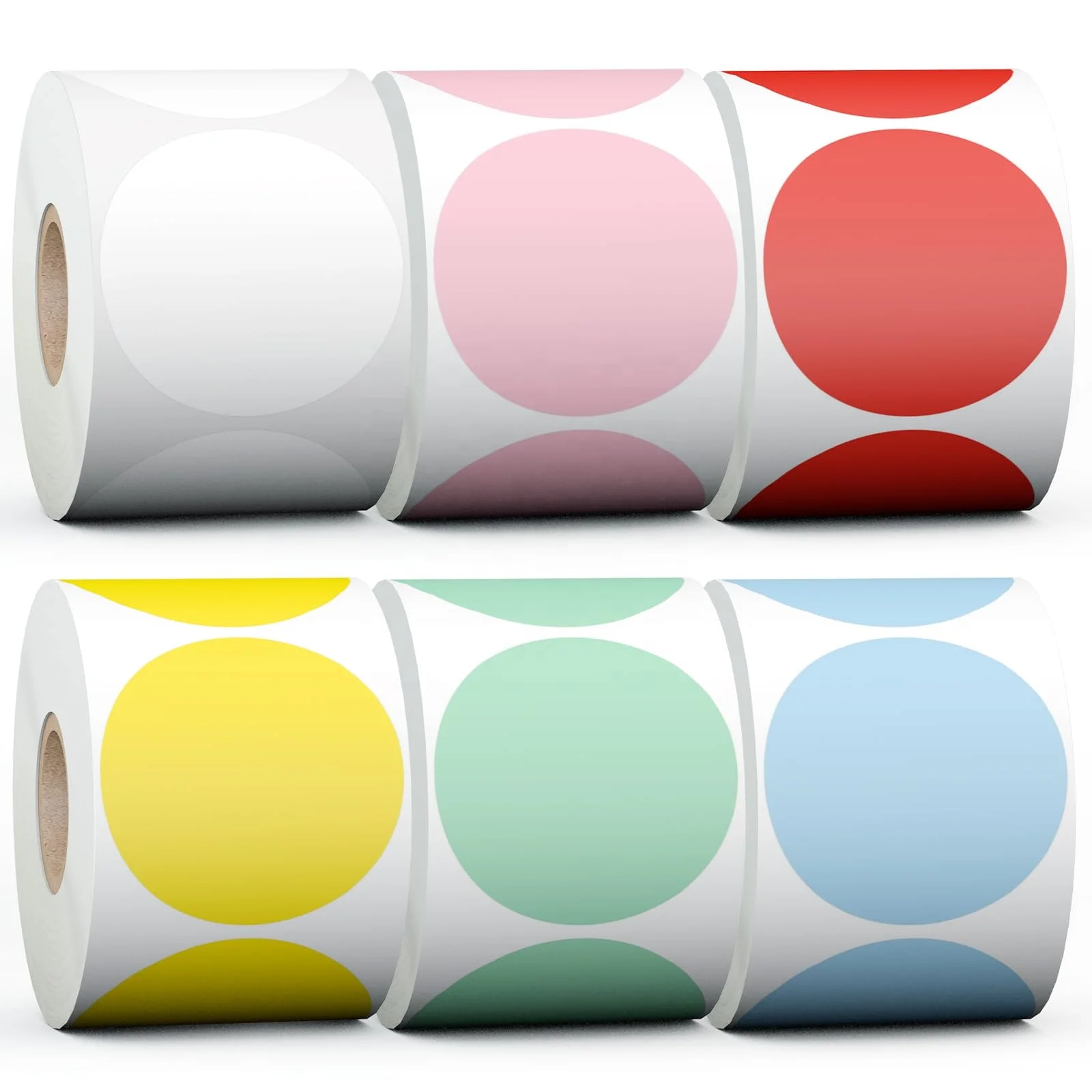
Frozen food stickers grace zip lock bags, paper cartons, glass and plastic containers, and so much more. Frosty conditions require strong and extreme frost resistant adhesion, and so extreme cold resistant adhesives are made with high initial bond strength so that firm and rapid adhesion occurs on both porous and non porous surfaces. High internal shear and slip resistance ensures that stickers on the vertical surfaces of freezers don’t drop. Frost stick fast and seal a consistent bond. This explains the plethora of freezer sticker applications, from supermarket food frozers to cold chain logistics.
 Hot News
2025-06-01
2025-08-22
2025-08-21
2025-08-20
2025-12-31
2025-12-29

Dongguan Kjnmatech Co., Ltd. provides custom self-adhesive labels, stickers, and thermal barcode solutions for industrial and consumer products. ISO-certified quality, 19+ years of manufacturing expertise, SGS & FSC certified. Request a quote today.
Room 101, No.31 Xinnong Road,Nancheng Street, Dongguan City, Guangdong Province, China
Copyright © 2025 by Dongguan Kjnmatech Co., Ltd. Privacy Policy
 EN
EN