
 EN
EN
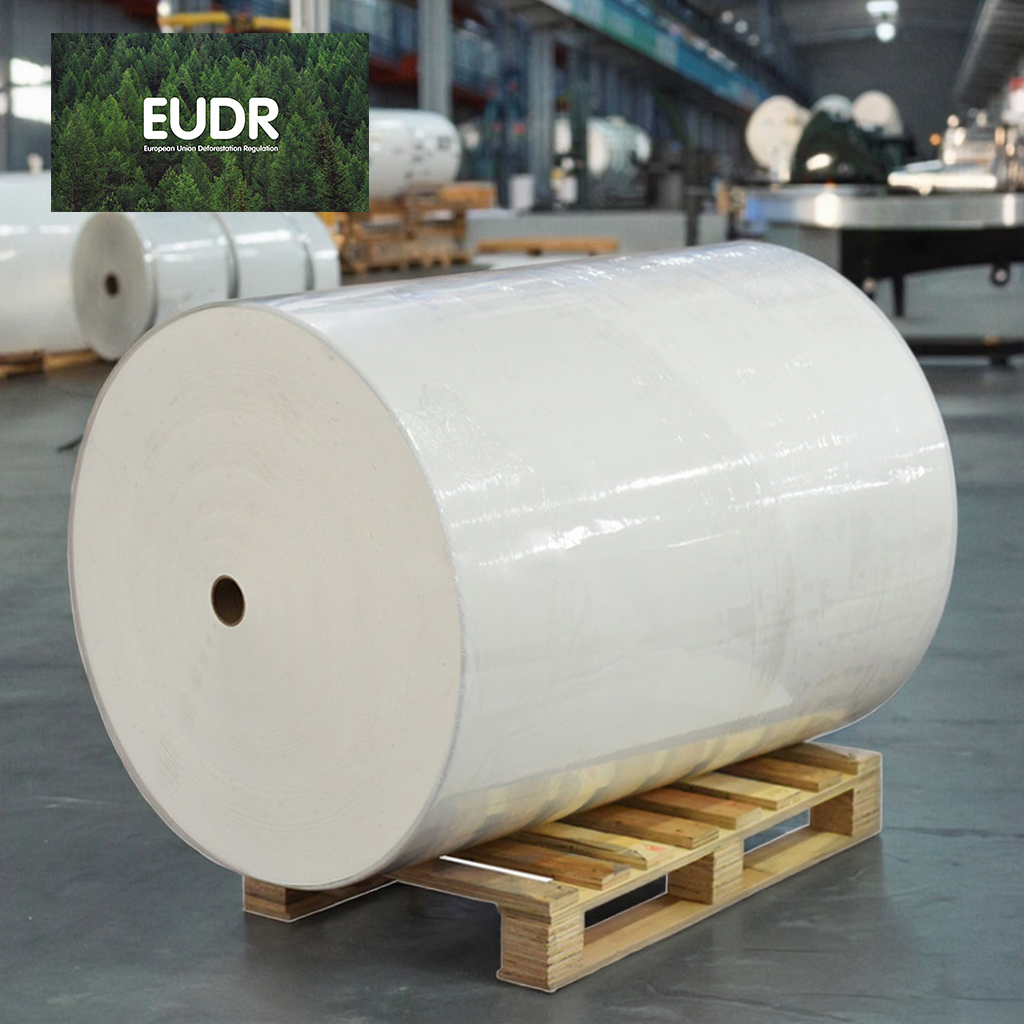
Sustainable Paper Adhesives
The current trend towards products that are eco friendly has established itself as a mainstream expectation from consumers in the market today. Paper adhesives used in packaging, printing, and crafting, are used in multiple industries and are being challenged to lessen their environmental impact. Traditional adhesives are often harmful to the environment as they contain chemicals that damage soil and water in the process of their production and disposal as well as being detrimental to the environment, as they are produced using non-renewable resources. Paper adhesives that are made from natural or recycled materials are a good option for the industry as their ecological footprint will be smaller and they will be able to meet the industry regulations. These adhesives will be able to enhance the ‘green’ reputation of the businesses that utilize them.
Technical Advantages of Eco Friendly Paper Adhesives
Sustainable paper adhesives have very strong technical characteristics and can outperform traditional adhesives. Sustainable adhesives have very strong bonding capabilities. The adhesives are made from starch, plant-based resins, and some recycled polymers. These materials form strong and stable bonds with paper surfaces which is important for applications like carton sealing and bookbinding. For example, a mid-sized packaging company switched to starch-based adhesives and noticed a 15% drop in product damage during shipping. This was due to the starch-based adhesive's flexibility and adhesive properties. Sustainable adhesives also have low VOC emissions. Traditional adhesives have high amounts of volatile organic compounds which are considered toxins. EPA's Clean Air Act shows that the emissions from traditional adhesives are harmful and create bad working conditions for production teams and health risks for end consumers. Sustainable adhesives can also be considered more biodegradability and compostability.
Choosing The Right Material
The development of quality eco friendly paper adhesives requires choosing the correct materials. Industry specialists believe the most sustainable adhesives have the best performance, environmental footprint, and cost. Starch based adhesives, made from corn and potato, are widely used because of their accessibility and cost. However, experts point out that of the two types of starch (modified and unmodified), modified starch (which is treated with natural enzymes that improve water resistance) is the better option for humid conditions. Plant based resins (derived from certain trees like the spruce and pine) possess great bonding strength, but the risk of causing deforestation because of bad sourcing is a large concern.The chief materials scientist of the International Institute for Sustainable Materials believes that "the future of environmentally friendly adhesives lies in bio based polymers, which combine renewable raw materials with advanced processing technologies to match or surpass the performance of petroleum based alternatives." Another and alternative approach is the use of recyclable polymer adhesives made from waste consumer plastics.This option also helps combat plastic pollution by providing good armor adhesives for heavy duty applications.
Industry Standard Compliance: Expert Opinions
Sustainable paper adhesives can only earn customer trust if they paper over their production processes correctly. As such, there are numerous, internationally recognized guidelines covering the production and use of such sustainable adhesives. One of these, ISO 14001, is published by the International Organization for Standardization (ISO), and covers the iregulation of adaptive environmental management systems in the production of adhesives. ISO requires manufacturers to track and reduce their production-related emissions, consumption, and waste. Along with the consumption and production cap of the program, the European Union's REACH regulation optimistically credits adhesives with negligible use of restricted hazardous materials. Products produced by and for consumers in the EU are thus considered to be safe with regard to the environment and compliant with the relevant regulations. The World Business Council for Sustainable Development reports that compliant businesses have been able to establish a trust relationship with their consumers by first entering the global market. It is also of note that a European printing company that achieved ISO 14001 certification for its eco friendly adhesives line experienced a 20% rise in International exports within a year of achieving the certification.
Commercial Advantages of Using Sustainable Adhesives
The use of eco friendly paper adhesives has an obvious commercial value across all markets. The first and foremost value is brand attractiveness. According to a survey done by Nielsen, 73% of the respondents were willing to spend more on brands that they considered sustainable. By using green adhesives, companies can gain the first move advantage by attracting brand loyal customers. A small craft supply brand, for example, redesigned its product line to use sustainable adhesives and experienced a 30% increase in customer retention. Several of their customers mentioned the sustainable practices of the brand as an important factor for their repurchase. Cost reductions are important commercial value for brands as well. Although the first purchase of eco friendly adhesives can be considered a sunk cost, the reduction of waste, less stringent regulatory compliance, and more streamlined processes can significantly enhance the operational bottom line. Furthermore, companies that employ sustainable practices are more likely to receive tax reductions and grants.
Practical Application Cases
There are many examples of real world adhesives that show the versatility of eco friendly paper adhesives. In the packaging sector, an e-commerce company shifted to recycled polymer-based adhesives in their shipping boxes. The adhesive helped reduce the use of secondary packaging, resulting in a 12% reduction in shipping costs and an annual reduction of 8 tons in the company’s carbon footprint. In the publishing sector of the printing industry, a textbook publisher used starch based adhesives for the bookbinding process. The biodegradability of the adhesive aligned with the publisher’s sustainability goals, the great flexibility of the adhesive helped with page retention, and ultimately, the publisher experienced a reduction in book returns and an increase in customer satisfaction. Another example is in the craft industry, where a manufacturer of handmade cards used a plant-based resin adhesive, the non-toxic nature of the adhesive made the cards safe for children, which expanded the manufacturer’s target market and increased sales by 25% in the children’s craft segment. These examples show that there are many different eco friendly adhesives that are beneficial in different markets.
Conclusion
Paper adhesives that are designed to be eco-friendly strike the best balance among consumers, the environment, and businesses. They are a good substitute for conventional adhesives because of their technical benefits while still being eco-friendly. They are certi fied to be eco-friendly because they follow the the industry's policies and they are environmentally friendly. The positive commercial aspects such as superior paper adhesives, low burning prices, and reputation improvement are the supportive elements of a total shift to eco-friendly products. The eco-friendly nature of the paper adhesives will continue to improve their reputation. They will be good for the environment while still being good for the consumer. They will be good for the consumer. They will be good for the environment. They will be good for the environment.