
 EN
EN
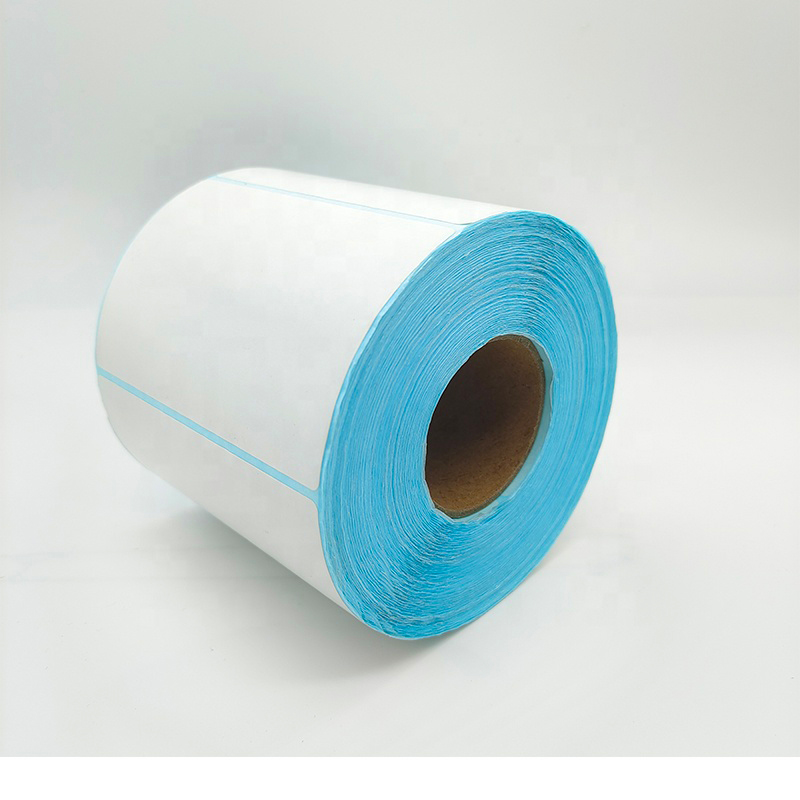
It may seem like choosing shipping label paper is not very important, but actually, it impacts efficiency in logistics and customer satisfaction a great deal. There is a visible tendency among successful e-commerce and logistics business: they prioritize choosing the paper they print their labels on. Each logistics scenario needs a custom type of label paper, and recognizing these needs is essential for avoiding mistakes and maximizing operational efficiency.
Lessons Learned from Shipping Industry Labeling
When a label paper and shipping conditions don't match, there are many issues that can arise. A regional e-commerce retailer once had trouble with labels that were peeling off packages. Their paper had a weak adhesive that couldn’t stick to the boxes in the cold delivery trucks. Once they switched to a high-tack permanent adhesive label paper, their misrouting rate dropped by 70%. Another example includes a frozen food manufacturer. Their paper had issues that included fading and smudging when it was exposed to condensation from the frozen items. Switching to a synthetic label paper that was moisture and low temperature resistant solved the problem. These cases prove that the selection of label paper is a strategic decision that is based off the specific shipping conditions.
Distinctive Elements Shipping Label Paper of Quality
When it comes to quality shipping label paper, there are several important features to pay attention to. The first is paper type: short term shipments are best served by thermal paper, which produces clear, ink-free prints, but is damaged by heat and sunlight. For long-haul shipping, or, especially, international shipping, polypropylene provides, synthetic, robust paper that withstands moisture, tearing, and freezing. For lightweight shipments, especially those by brands who are environmentally conscious, Kraft paper, which is less moisture resistant, is a good choice.
Another important quality to consider is the strength of the adhesive. For some labels, the removable kind is just fine; however, shipping labels require a higher tack, permanent adhesive which makes sure the labels survive rough handling, and, importantly, stay applied through different weather and temperatures. The quality of adhesive also affects the print quality. Good label paper provides the requisite needs to ensure compatibility with most shipping label printers (thermal, laser, and inkjet), and produces barcodes and text that are clear and can be scanned.
Industry standards and Industry analysts' advice
Industry analysts’ advice and industry standards can be combined when choosing label paper. For example, one of the ASTM (American Society for Testing and Materials) D4330 standards helps paper and label manufacturers to improve shipping labels so that the label can stick at different climates (high and low humidity) and temperatures. National Association of Shippers experts have stated that shipping papers that meet ISO 15416 standards (the one that governs the quality of barcodes printed on the paper), can result in a 30% reduction in shipping errors.
Without a doubt, analysts, and Logistics Consultants, referring to the Supply Chain Management Association, quote how the label paper helps optimize business. They specifically mention how the use of paper in labels that is waterproof and suitable for use in inclement weather helps expedite the time in processing packages by 15%. These sources of information emphasize the utility of Label Paper beyond merely being a necessary supply item, as Label Paper can substantially enhance the efficiency and reliability of the entire supply chain.
Applicable to Correct Label Paper Selection
The selection of the right label paper helps eliminate logistical issues and brings business value in a tangible form. Cost savings, as a result of little label performance issues that caused the labels to reprint, rework the packages, and the packages to be lost, are recognizable. In the case of a mid-sized logistics company, it was determined that changing to more durable synthetic label paper saved the company $12,000 every year for delayed shipment fees and replacing the paper.
Trust in a brand is the figure is very important to every business. For example, trust is in the brand is evident when labels are clear and present. It is important these labels are clean and without smudges, otherwise customers may lose trust in the business. Consumer research shows that when customers receive a package that is missing a label, and the label is smudged, they will lose trust in that business. Labeling is also important when shipping internationally. There are fine and customs that can really hurt the business. For a company that is expanding, there are also adding European Union (EU) regulations that must be adhered to when shipping internationally. This is important to ensure the ship,ent goes smoothly without having to deal with customs.
Finally, when it comes to business goals, and international shipping, balancing function is key to success. Businesses can make better shipping choices to streamline their logistics. Happy customers can be the result of a better label and a label that has positive shipping characteristics.