
 EN
EN
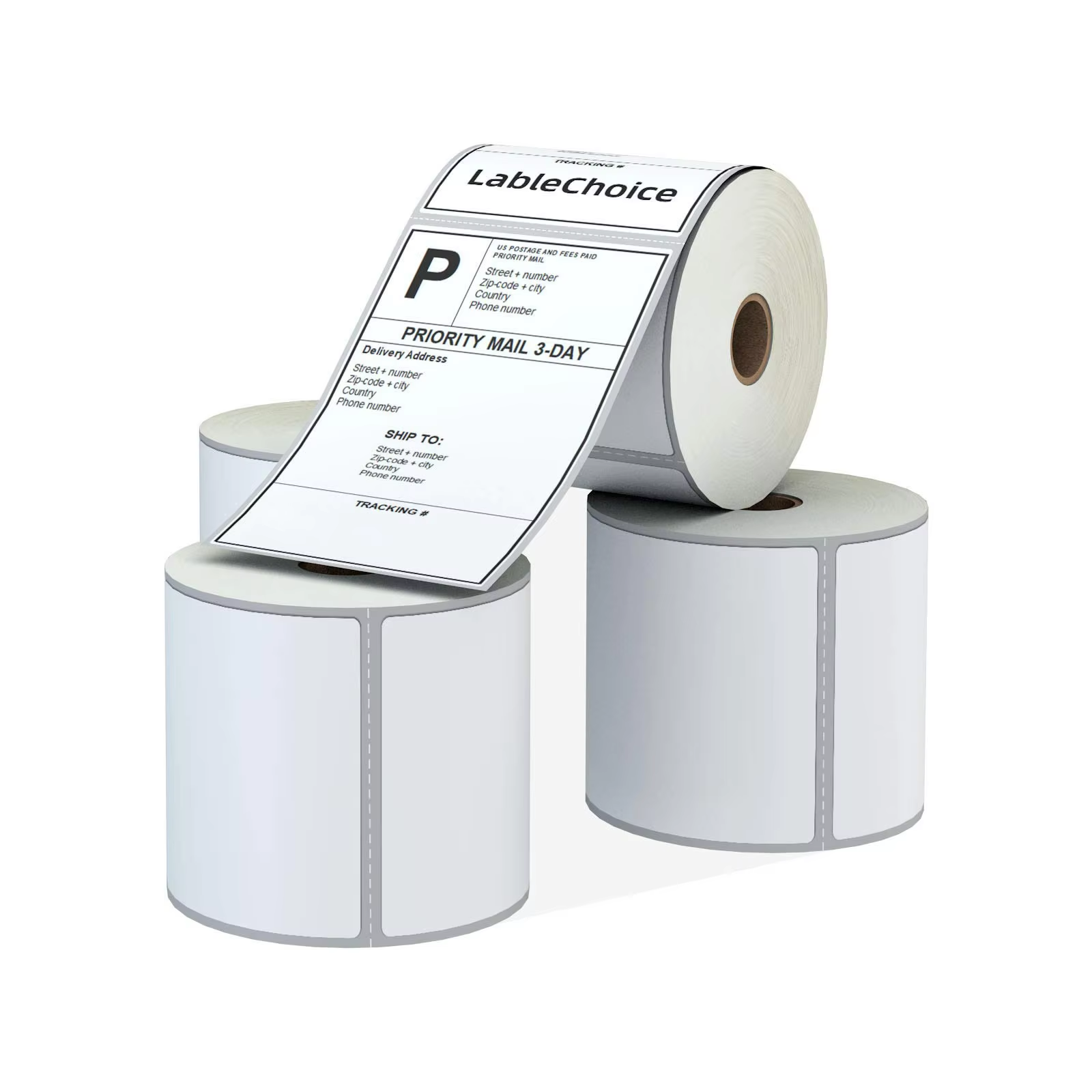
In retail, thermal label quality can impact critical functions of the business, including shipping and customer satisfaction. Bad thermal labels can cause scannable barcodes, stickers can peel, and the business can incur delays. All of the above can cause additional costs to the company. This article explains how to keep thermal labels the industry best practices.
Choose Quality Materials
The quality of the raw materials is the starting point of the label. Not all thermal papers and synthetic film materials are the same. Good quality materials include thermal adhesive paper, PP synthetic adhesive paper and brushed gold PET adhesive paper. One of my retail customers had problems because the labels were smudging constantly. The problem was solved when the customer changed to the FSC Thermal Transfer Adhesive paper, which is rated best for color reproduction and minor abrasion. Designs paper and adhesive materials are certified by leading certifiers like SGS and FSC, giving certifying the paper is in compliance to global standards. These high quality materials also means more coated materials which are high quality including a smooth release end and a strong stick adhesive which means less printer jams and less labels that are falling off packages.
Optimizing Conditions for Storage
Environmental factors affect thermal label storage, so detail is a necessity. Labels should be stored in cool, dry locations with ambient temperatures between 15°C and 25°C and a relative humidity lower than 60%. One of our logistics partners encountered damp warehouse storage and resulting label stickiness, which caused wasted inventory and delayed shipments. The issue was fixed by moving the labels to a climate-controlled environment, and to protect them from moisture, they sealed un-used rolls in airtight bags. Thermal sensitive materials can be impacted by extreme temperatures; heat activates coating, and cold makes the adhesive brittle. Following these storage conditions will help businesses avoid unneeded waste, and ensure labels perform to expectations.
Fine Tune Printing Parameters
Even the best materials won’t deliver clear results without optimized printing settings. balance the heat and speed settings of the thermal printers to get the best results for barcodes and texts. Play around with the print density settings with your printer (3-5 is a good start) and set the speed in a range of 50-75mm/s for optimal printing results with your labels (these ranges work best for 50x25mm labels). A client from one of the supermarkets used a heat setting that caused them to print blurry labels with the copperboard adhesive paper. If the heat is too high, the text gets smudged and if the heat is too low the text will be barely readable. Print heads that are dirty smudge labels so be sure to clean heads that are dirty with alcohol swabs. Sweeps with alcohol will clarify the settings, giving you the best results on your thermal printer.
Adjust to Certain Use Cases
Thermal labels should be able to endure the specific needs that come with their line of work. Condensation treated materials should be used for the labels for refrigerated retail sections as they should resist moisture so that they do not get smudged. Waterproof and oil resistant film-based labels (transparent BOPP/metallic BOPP) should be used for cosmetic high-ends as they should be enduring enough to handle the friction that comes with packaging and displaying. For logistics labels that face extreme conditions (rain, friction, oil, alcohol), we recommend the use of PP synthetic adhesive paper that possesses the tear resistant quality. Not only do these custom adaptations for specific conditions improve the longevity of the labels, but they also comply with certain industry needs standards which require the labels to remain readable for the entire lifecycle of the product. A great example of this would be if there were labels used for pharmacy and aviation products as they are both required to undergo rigorous testing such as SGS certifications to ensure that they will remain clear and readable for as long as they are in circulation.
Implement Regular Quality Inspections
Routine inspections or quality checks help spot issues early on before the issues turn into a problem. Regular inspections should involve testing for: falling off on strong adhesive labels, sticking labels on a variety of packaging materials and checking for peeling after 24 hours; and checking the label for,water, oil, and alcohol resistance by exposing them to these substances. inspectors infrequently reliability suppliers will use the ISO quality control standard throughout the production. A good reminder is to label rolls, especially after they have been stored or before bulk printing They will help save you a lot of money by helping you avoid a variety of issues. They also help your customers trust you by being certain there will be labels on the containers for the products and for the products identifying labels.
Conclusion
Regular quality inspections help build trust, stop operational delays, and save money by controlling waste. Great labels are a small but important part of good business for packaging, shipping, and retail operations.