
 EN
EN
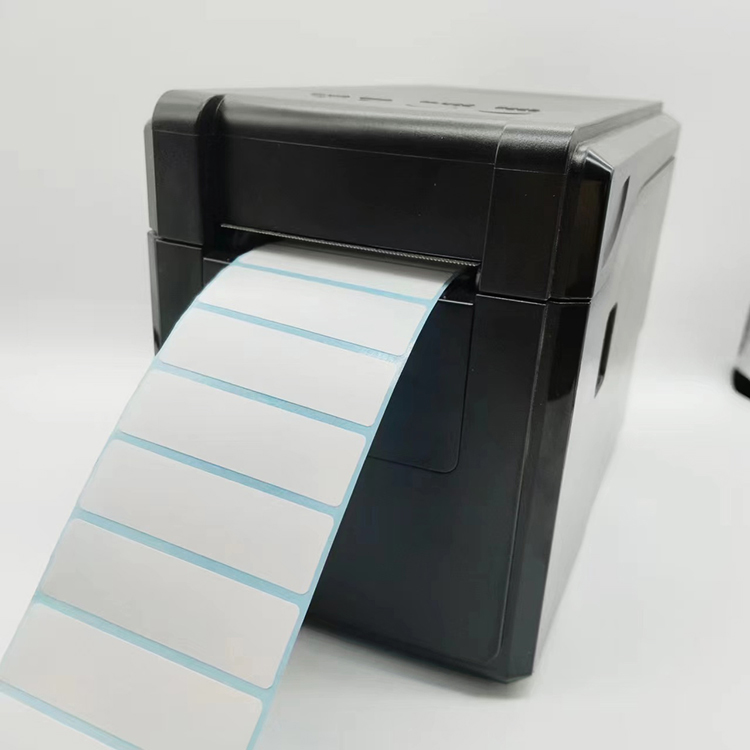
Label Printer Paper and Printing Efficiency
PP, PET, and wood pulp are the types of substrates, and each are suitable for varying applicational scenarios, and are economically diverse. A large logistics enterprise discovered that after switching to PET substrate paper, the labels did not smudge and remained clear. The practicality of synthetic substrates proves that PVC, PET, and BOPP substrates being used for almost 77% of the total market shipment volume. Wood pulp paper was easy to tear and blur after each transport of the labels. With the available data, many logistics companies are able to increase their label and printing efficiency by understanding the substrates of the labels and the types of printing used. With the proper understanding of substrates, the level of optimzed printing efficiency will increase. When considering substrate selection, the level of required printing technology and the level of printing environment must be considered. The level of required thermal printing will require the level of required thermal sensitivity PP substrates. The level of thermal transfer printing should be required for improved adhesive quality of the substrates.When purchasing substrates, you can avoid mismatched selections that cause low printing efficiency by checking the smoothness and flexibility of the surface.
Precision Coating Technology
The printing technology of label printer paper determines the clarity of printing and the firmness of the ink layers. The uniformity of the coating determines the quality of the paper. Coated paper is designed for everyday low-frequency printing, and the paper designed for high frequency and high durability printing is called resin coated paper. It has better scratch resistance and ink adhesion. An example of this is a manufacturing enterprise that had a defect rate of 1.2% for ink falling. After the enterprise switched to resin coated paper with corona treatment, which increased the surface tension of the paper to 42 dyn, the defect rate was controlled to under 0.3%. Authoritative studies show that the coating and carbon ribbon combination is the main reason for ink falling. Coated resin paper is only to be used with resin carbon ribbons, and therefore coated paper is fine with wax or mixed ribbon. It is common to test the firmness of the coating by scratching the printed area of a label with a fingernail to see if the quality of the coating is sufficient.Selecting an appropriate coating paper based on the required printing durability will primarily mitigate the need for reprinting due to ink smudging and will enhance printing productivity.
Thickness of Paper Used in Label Printing
The reliability of the printing process and the uniform thinness of the printing paper are of utmost importance in the printing process. Therefore, the thickness of printing paper should comply with the paper and board thickness measurement ISO Standard 534. ISO 534 specifies the methodology of measuring the thickness of the paper and board and the maximum paper and board thickness of 0.1000 inches. A high-quality paper has the thickness tolerance of high-quality label printer paper, which is controlled in such a small quantity that the thinness, uniformity of thinness, and quality of the paper ensure that the print head will not print with an inconsistent and less than uniform pressure. A warehousing enterprise had a label printer paper with an inconsistent thickness which caused the printer paper to jam over 200 times a month. After the enterprise used the label printer paper that was compliant with the ISO 534 thickness standard, paper jamming decreased to fewer than 5 times a month and printing efficiency was significantly enhanced. The ISO standard thickness of the paper is that the digital printing of a paper is uniform which allows for a uniform and unexcessive head wear and an enhancement of the printing accuracy as well as the reduction of the unevenness of the print head wear.
Smooth Flowing Feeding Compatibility
Your label printer paper needs to allow for the uninterrupted flow of paper. One of the most important elements of paper flow is the edges of the paper. If the edges of the paper are flat and the paper is of the right thickness and stiffness to not bend, then the paper feeding system should work perfectly. This is important because if the paper does not jam during printing, the printer system will be able to achieve the maximum continuous printing speed. An example of a business with high needs for printing is an e-commerce company. This business once achieved a continuous printing speed of 250mm/sec with no paper jams because high stiffness label paper was used. This is the standard speed needed for the printer to use the Kyocera TPA series thermal print heads. Kyocera has tested their print heads to be able to print at a speed of 250mm/sec and a highly compatible with feeding label paper must be used to achieve this speed. If label paper with a stiffness of 150-200 mN is used with a printer feeding port of the same size, then continuous printing will be possible because of the reduction in feeding resistance. This will enable high-speed printing to be used for an uninterrupted flow of printing.
Less Printing Waste
Quality label printer paper can help reduce printing waste. Measuring printing efficiency includes the waste rate, and the higher the waste rate the poorer the efficiency. Paper jams, misalignments, and smudged or misprinted labels cause printing waste, and are an issue with low quality label printer paper. One example of the difference that high quality label printer paper can make in the industry is for a retail enterprise with a monthly waste label volume of 5000 sheets. After they switched from low quality paper to high quality paper that met industry standards, their monthly waste label volume decreased to 300 sheets, and there material utilization increased by 94% There are predictions in reports that by 2026, the self-adhesive label industry printing waste rate can be reduced to less than 0.1% due to the high-quality print material, providing even more value to businesses. Because printing waste is more waste of businesses resources, to help combat this, high-quality paper should be combined with proper storage to help reduce the waste or, more specifically, by storing the paper in a dry and ventilated area to avoid exposure to excessive humidity and deformities.
Long-Term Savings on Costs
Purchasing quality label printer paper has many benefits which include improvement in efficiency to print labels, long-term savings on operational costs, savings on materials, saving on upkeep of printers, and saving on repair costs. Good label paper will help make printing more efficient by decreasing the print head’s maintenance costs and extending the life of the print head. One industrial enterprise’s print head lives were able to be increased by 200% with the use of head-compatible label printer paper. This also dropped their print head replacement costs by 40%. Other companies, such as Kyocera, have also done tests which confirm that high quality printers and high quality label printer paper can print over 50 kilometers before the print heads need to be replaced. Label printer paper that is low in quality will increase the frequency with which print heads need to be replaced. The high quality label printer paper has a high cost-effectiveness due to the amount of money saved compared to the cost of the label printer paper.Choosing the right label printer paper when it comes to printer type and usage scenario is a smart and economical choice for businesses.