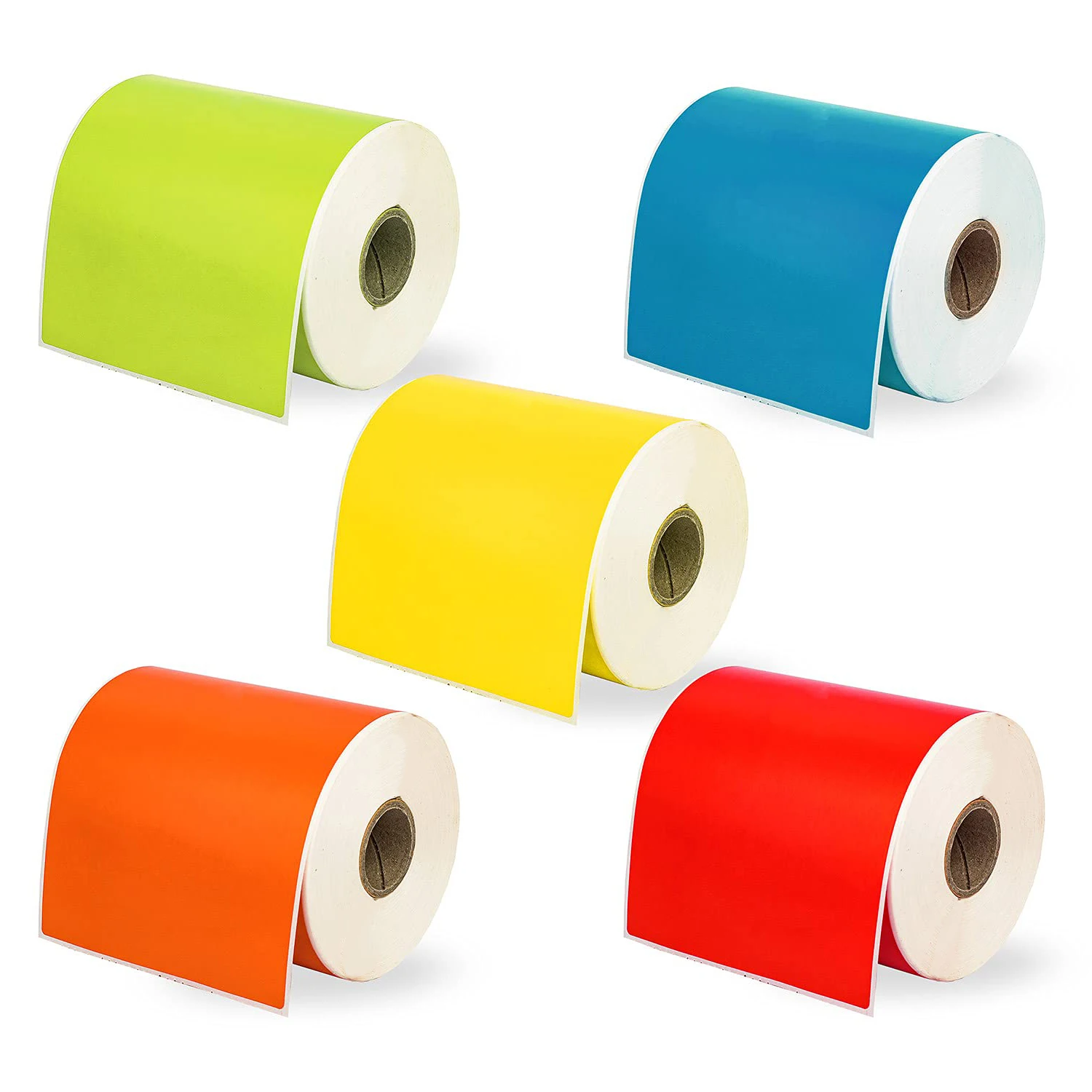
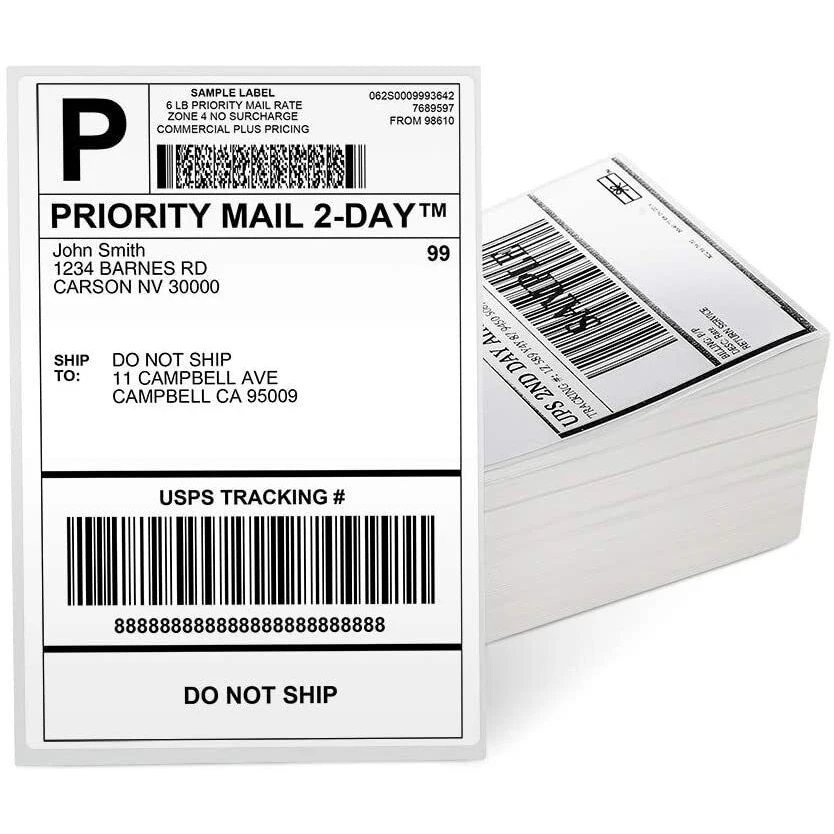
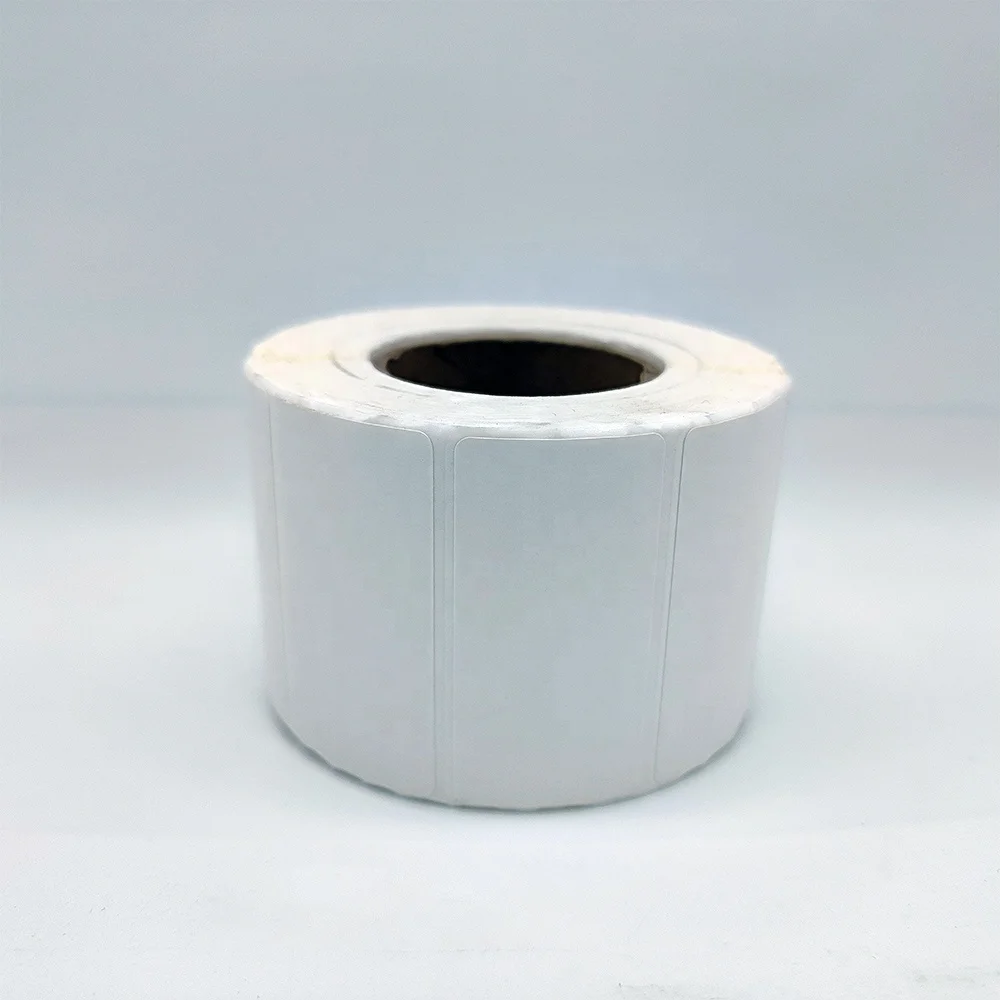
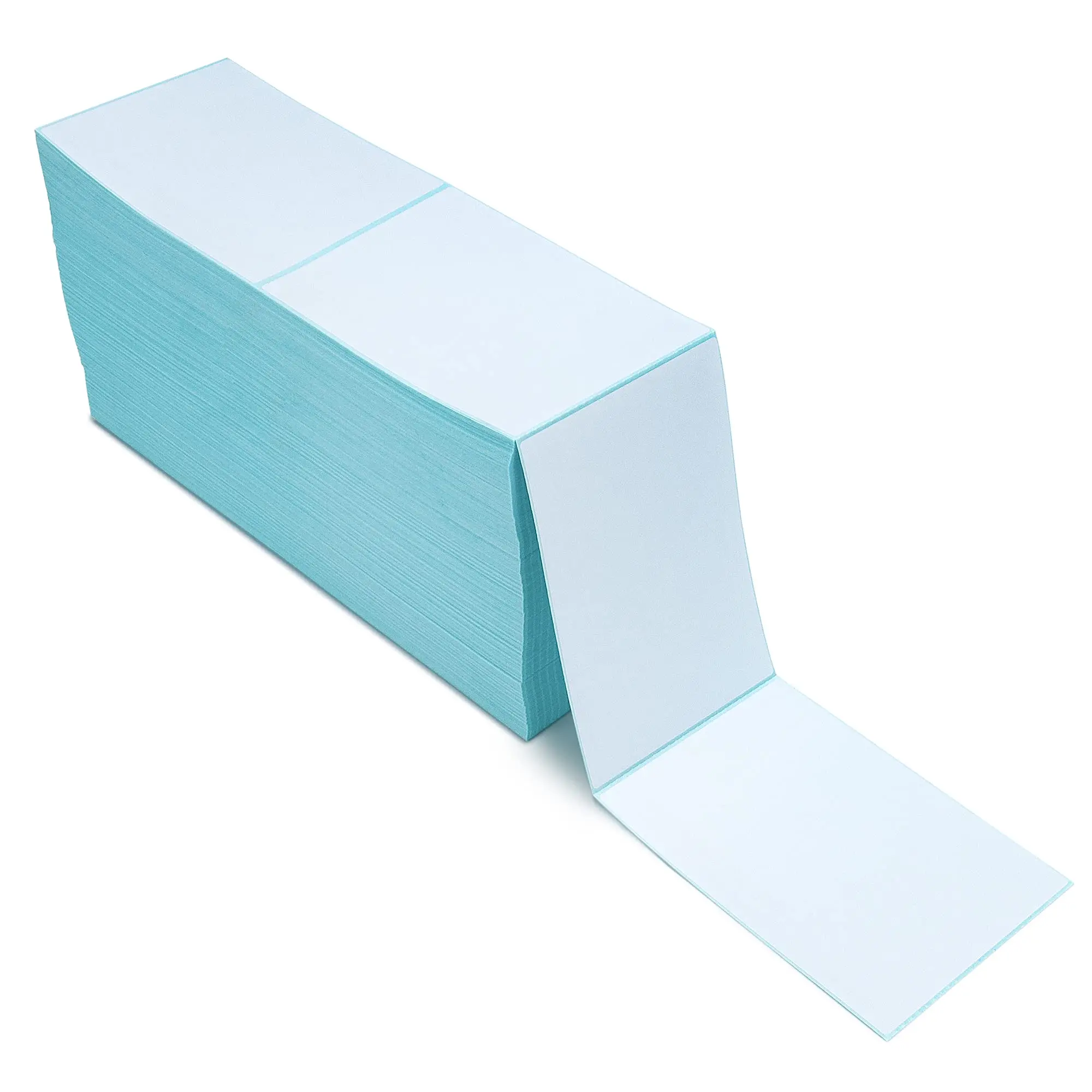
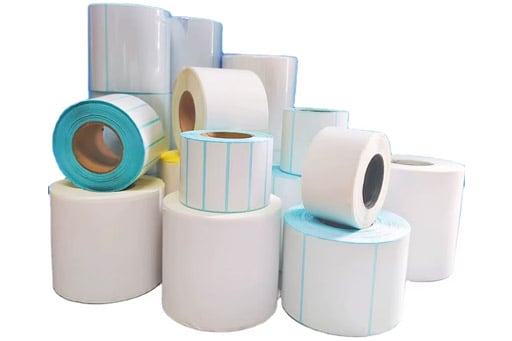
Durable and clearly printed Thermal Transfer labels are advantageous to warehousing, logistics, and retail operations. To ensure good quality printing, serviceable labels, and optimal application effects, the selection of the most compatible ribbon is imperative. This guide highlights the most essential considerations when matching ribbons to thermal transfer labels.
The three main types of thermal transfer ribbons are wax, resin, and wax-resin hybrid. Of the three, wax thermal transfer ribbons are the least expensive and have the most fluidity. They are best suited for general paper labels. On the other hand, resin ribbons are best for film and synthetic material labels as they have strong adhesive qualities and are most resistant to water, oil, and abrasion. Wax-resin hybrids are the most versatile as they are widely used for composite labels. This is possible as they strike a good balance between printing clarity and durability.
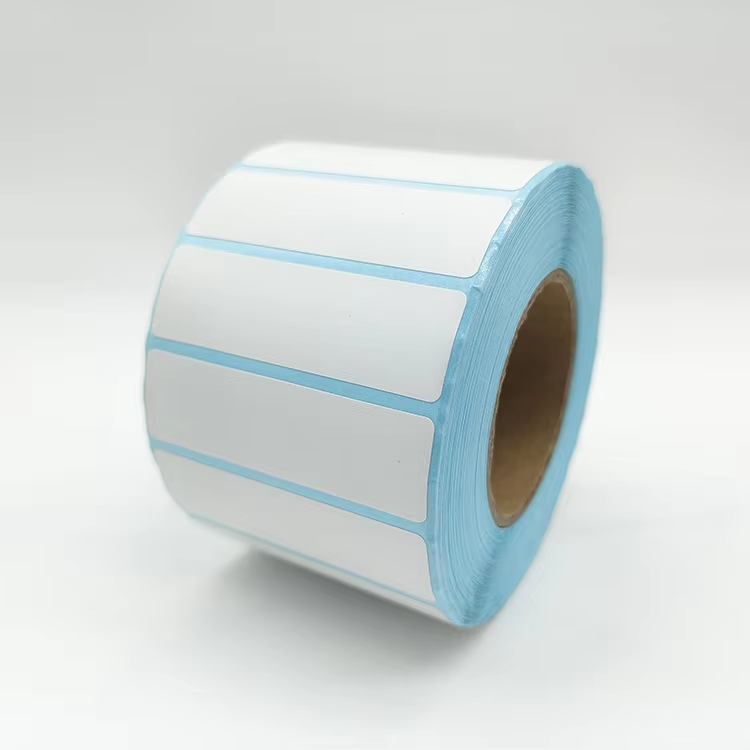
Thermal transfer labels are made of different materials and combinations, and for every material, a suitable ribbon needs to be chosen. Paper-based labels including kraft adhesive paper and wood-free adhesive paper are great ink absorbers and therefore, low-cost wax and wax-resin ribbons work just fine. Film-based labels, like brushed gold/silver PET and clear BOPP, have smooth surfaces, and for these, resin ribbons are required to secure the print. Synthetic paper (PP) labels have to be paired with wax resin hybrid ribbons to balance clear printing with wear resistance.
The environment in which labels are applied should be the key deciding element when it comes to choosing the ribbons. For labels in humid areas, like supermarket shelves with coolers, use water-resistant resin or high wax-resin ribbons. For logistics and shipping labels that are meant to endure friction and abrasion, use durable resin ribbons to ensure that barcodes and text stay clear. For indoors, on retail price tags that are expected to last only a little while, inexpensive wax ribbons will work just fine.
Besides ribbon type, the storage length and durability of the printed content determine ribbon selection. For printed content with a storage length(target-durability) of longer than a year and for content printed with higher DPI (300 and above) ribbons with finer particles must be used to capture and render detailed texts and bar codes. For ribbons, resin type with strong UV protection is a must. Lastly, to avoid printer jamming, poor print quality, and disheveled ribbons, one should check the printer type. Compatibility is also important to efficient and quality engagements.
The quality of ribbons should meet expected international certification standards. Also, high-quality ribbons will lessen the friction and wear caused by printing so the printer head will wear slower. It is best to confirm that the printer and ribbon together will yield expected quality by testing ribbon samples for use in high volumes.
 Hot News
2025-06-01
2025-08-22
2025-08-21
2025-08-20
2025-12-31
2025-12-29

Dongguan Kjnmatech Co., Ltd. provides custom self-adhesive labels, stickers, and thermal barcode solutions for industrial and consumer products. ISO-certified quality, 19+ years of manufacturing expertise, SGS & FSC certified. Request a quote today.
Room 101, No.31 Xinnong Road,Nancheng Street, Dongguan City, Guangdong Province, China
Copyright © 2025 by Dongguan Kjnmatech Co., Ltd. Privacy Policy
 EN
EN