
 EN
EN
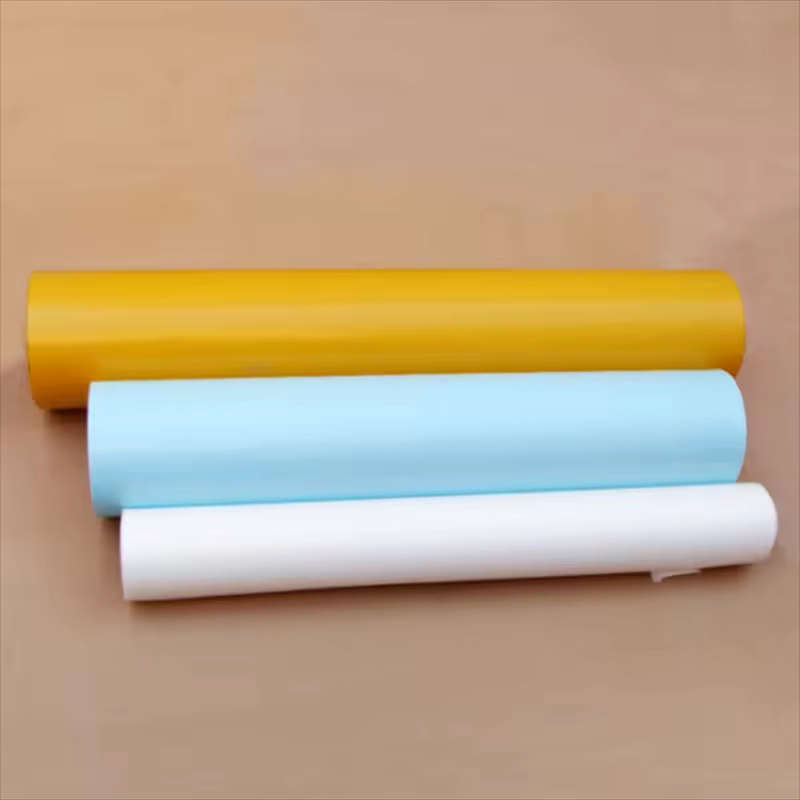
Design Chemistry and Structural Temperature Resistance
The best silicone paper for the baking process is created via a unique three-layer construction, resulting in the best overall baking paper performance. The bottom paper layer creates a structural support layer that prevents the paper from tearing, and the polyethylene and modified polyolefin coated middle layer acts as a stabilizer that holds silicone evenly distributed across the paper. The top silicone layer excels in both high-temperature and low-temperature non-stick characteristics. Because of the structural combination, silicone paper can endure high baking temperatures of 250℃ without structural deformation, cracking, or the leaching of toxic fume/additives. The silicone surface assists baking by preventing food from adhering to/caught in the silicone layer on the baking pan. The problem of burning/scorching food is eliminated, and in contrast to regular baking paper, the three-layer construction also provides barrier(s) to both moisture and oil, preventing a mess in the oven and oil from leaching and affecting the taste of food.
Silicone Paper Baking Benefits and Case Examples
In hands-on bakery training, the use of baking paper shows clear benefits to improved baking results and increased efficiency. A typical example of home baking and also of commercial bakery practices is baking European-style bread. Most bakers use a “wet paper technique” where the silicone paper is used to substitute a heavy cast iron pot. They wet the silicone paper and place it over the dough while baking. The silicone paper traps steam around the dough and maintains the surface moisture of the dough for 15 to 20 minutes, allowing the dough to fully expand which creates a nice crust and good ear formation. For commercial bakeries with over 300 locations, the use of custom-made silicone paper for high temperatures has improved their paper breakage rate from 15% to 3%, which has reduced monthly food waste by 2.1 tons and reduced total supply costs by 12%. In the baking of cookies and cakes, silicone paper replaces the need to oil the baking tray, thereby improving the crispness of cookie edges and facilitating the easy release of cakes from the pan. Cleanup of baking utensils is also significantly reduced.
Authoritative Safety Certifications and Industry Standards
When it comes to using silicone paper for baking, it has been proven to be safe thanks to various global and regional safety certifications and industry standards. In China, silicone paper must undergo the QS food safety certification and the GB 4806.8-2022, \\"the national food safety standard for food contact paper and board materials and products." In Southeast Asia, since 2024, Thailand has added high-temperature baking paper, including silicone paper, to the mandatory TISI certification, requiring high-temperature silicone paper to undergo thermal stability testing and silicone migration, as well as tests for heavy metal leaching. In addition, silicone paper is also required to comply with EU EC 1935/2004 and US FDA food contact safety standards in the European and American markets. These certifications must be comprehensive, meaning that all processes, including production, the quality of raw materials, and the quality of the finished product must be considered, and present no issues regarding the presence of fluorescent brighteners, heavy metal, and other harmful solvents in the products used for baking.
Cost Efficiency and Commercial Value for Baking Business
With regard to baking businesses, silicone paper is a baking auxiliary material that helps to optimize cost and operational efficiency. Considering procurement costs, bulk purchasing qualified silicone paper can ensure a 5% to 8% discount and, for example, from a baking perspective, operational costs can be reduced by 12% by customizing the gram weight of silicone paper to the actual baking needs, such as from 200g to 180g of high-temperature silicone paper which can be used up to 300℃. Compared to traditional baking paper, silicone paper enhances operational efficiency as its one-time use feature eliminates the need for cleaning, and the non-stick coating reduces food waste and raw material.As a burning tools e-commerce merchant, integrating sets of silicone papers that match your tool sizes, could reduce negative reviews from 8% to 2.3%. Your repurchase rate would increase to over 50%. This increases your sales for baking tool sets by 35%. The baking business's entire value chain, from production to sales, makes it clear that silicone paper is cost-effective.
Adaptability Across Multiple Scenarios in Baking and Catering
Silicone paper's multi-scenario usability covers various baking requirements across home and industrial baking and central kitchens. For home baking, where cookies, bread and cupcakes are commonly baked, silicone paper can be utilized in traditional, microwave and air-fryer ovens. For commercial baking, silicone paper can be customized for various shapes and sizes as well as gram weight for bulk production of pastries. in addition, silicone paper can be printed with various logos to market baked goods. For central baking and food processing, silicone paper comes in bulk sizes 1 and 2 meters wide to be used in large production lines for baking and packaging pre-made and frozen foods. silicone paper can isolating food to avoid freezing clumps and facilitates thawing for food prep. silicone paper's multi-scenario usability makes it a highly effective material in baking and catering.
What to Look For When Choosing Qualifying Silicone Paper
To guarantee quality in the baking preparation and glove fit silicone paper, there are four key points that must be followed to ensure proper selection. The first key point is to analyze the product information found on the paper. The paper should have the complete brand, manufacturer, production address, and health license, and any three no information products should be avoided. The second key point is to check the food grade. Paper products should be FDA certified, QS certified, or EU EC 1935/2004 certified to guarantee that the raw materials and processes of production are safe to be used or consumed by humans. The third key point is to analyze the packaging of the silicone paper. The packaging will contain instructions on the duration of temperature and time, do not position the silicone paper in temperatures that exceed the limits that have been stated, there is a possibility that the silicone paper will become a chemical soup and leach out toxic chemicals. Finally, in general, silicone paper should only be used once. If the baking time is greater than 20 minutes, the silicone paper should be replaced to ensure that its chemical leaching is minimized. Following all of the above tips will guarantee that qualified baking feels and sheets will be used.
Table of Contents
- Design Chemistry and Structural Temperature Resistance
- Silicone Paper Baking Benefits and Case Examples
- Authoritative Safety Certifications and Industry Standards
- Cost Efficiency and Commercial Value for Baking Business
- Adaptability Across Multiple Scenarios in Baking and Catering
- What to Look For When Choosing Qualifying Silicone Paper