
 EN
EN
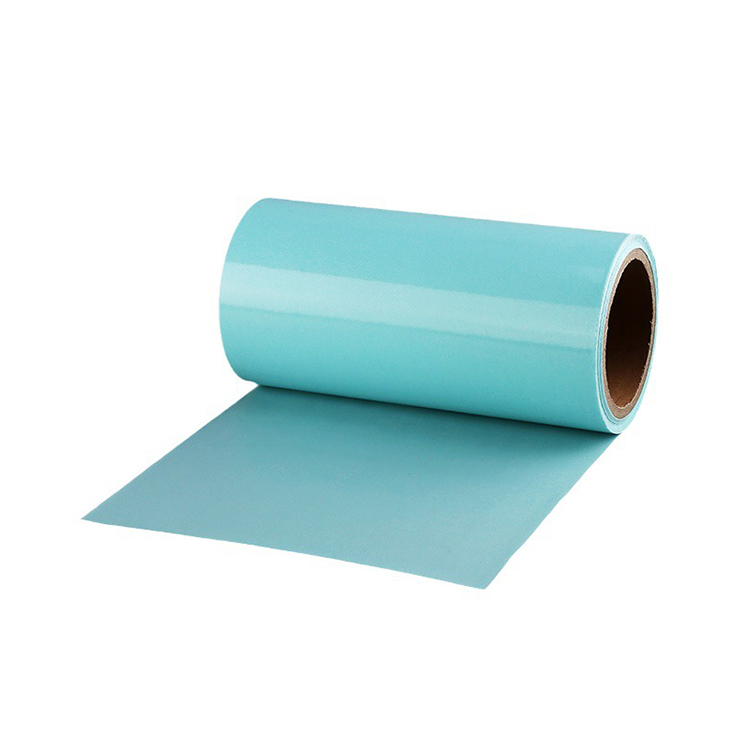
What are the core technical specifications?
Silicone glassine paper for electronic applications requires specific technical parameters due to the quality assurance requirements for the electronics manufacturing industry. Key indicators will be identified: basis weight, release force and temperature resistance. For the electronic adhesive tape and die-cutting processes, basis weight is typically controlled between 65g and 120g. This is to ensure that the paper has enough toughness to withstand breaking during die-cutting, and does not create excessive thickness to affect the precision of the electronic components. Release force is categorized into ultra-light, light and medium, with ultra-light release force (3-5g) being appropriate for ultra-thin electronic double-sided tape and medium release force (10-15g) being appropriate for electronic adhesive components. Temperature resistance is a non-negotiable index. Qualified silicone glassine paper withstands continuous high temperature of 150° and instantaneous high temperature of 200° without silicone oil migrating. All of these parameters are specific to each individual production process and cannot be generalized.
Integration with Electronic Manufacturing Processes
The primary concern with silicone glassine paper being used in electronic manufacturing is how it will affect the manufacturing process and the yield of products in the end. While conducting the die-cutting procedure for the conductive cloth tape (used for electromagnetic shielding), the silicone glassine paper should be free from paper dust and keep separate on each layer; otherwise, the paper dust will stick onto the conductive cloth and interfere with the electromagnetic shielding effect. If the paper layers do separate, it will make tearing the paper difficult which will in turn decrease the manufacturing process's efficiency. One example from the electronic manufacturing sector shows how a display module manufacturer chose a type of silicone glassine paper that happened to have poor delamination resistance and as a result, it suffered a 15% decrease in the yield of the die-cutting process and produced a lot of defective conductive cloth tapes. Once this manufacturer switched to silicone glassine paper that did not delaminate, the yield of the die-cutting process increased to 99.5% in 1 week. Furthermore, in the surface mount technology (SMT) process, the silicone glassine paper used to temporarily hold the electronic components in place must be able to withstand a certain amount of static electricity. If this is not the case, the chips in the electronic components will be damaged which will compromise the overall functionality of the electronic product.
Meeting Requirements of Global Industry Standards
Globally recognized, authoritative industry standards must be considered when choosing silicone glassine paper for use in electronics in order for the product to be considered for inclusion in the global electronic supply chain. For a product to be considered qualified, it must adhere to the restrictions placed by RoHS 2.0 and IEC 61249-2-21 standards which control and restrict the presence of hazardous materials, such as halogens and sulfurs, in the paper. Furthermore, the silicone oil used to produce silicone glassine paper, must also pass international chemical testing, and the level of silicone oil migration must be below the stipulated level to avoid electronic component contamination. Moreover, the base paper of silicone glassine paper, especially for food and electronics dual-use, must satisfy at least the basic requirements outlined in GB 4806.8, to guarantee safety and environmental protection. Global electronic companies choose silicone glassine paper suppliers who have completed all of the industry requirements as a demonstration of the industry's commitment to standard compliance.
Performance Testing for Practical Application
Testing the performance of silicone glassine paper in real-world situations determines if silicone glassine paper is appropriate for use in the electronic manufacturing industry. Testing is done based on the use patterns in the electronics industry. Starting with the anti-static test where a static tester is used to measure the paper’s surface resistance. A value of 10 to the 9th power is needed to ensure no static electricity is produced. Then there is the paper dust test where a dust-free cloth is wiped on the paper surface a few times. If no paper dust is on the cloth it is important for a clean paper production for the electronics industry. Next is the aging resistance test where the paper sample is placed in a controlled environment of 85 degrees celsius and 85% humidity for 500 hours. The paper must not show any yellowing, silicone oil peeling, or other aging. Finally, the die-cutting test where the sample paper is subjected to a simulated factory die-cutting process. The paper sample should not have any rough or torn edges. The test samples are easy to use and electronic manufacturers are able to do the first levels of testing using these methods.
Cost vs Value Commercial Focus
The choice of silicone glassine paper in the electronics industry should not focus only on the lowest or highest priced products or singular highest performing products but rather on a range of products to optimize commercial value. In the case of mass manufactured consumer electronics, the selection of cost-effective domestic silicone glassine paper that meets the standards while still performing at a baseline level can result in an overall procurement cost savings of 20-30% compared to importing paper. On the other hand, for high-end precision electronics paper used in aerospace and medical applications, performing silicone glassine paper imported at a high price is justified because the cost of poorly performing paper in high-end electronics production is even greater than the price of the paper. One example from a semiconductor manufacturing company demonstrates this well. The company increased the cost of procuring silicone glassine paper by 10% and selected the paper that was higher quality which in turn decreased the defect rate of semiconductor packaging by 0.8% and resulted in more than 2 million dollars of additional profit in a year. This example demonstrates that optimizing choices translates the cost of silicone glassine paper into the commercial value of increased productivity and quality of the product for the enterprise.