
 EN
EN
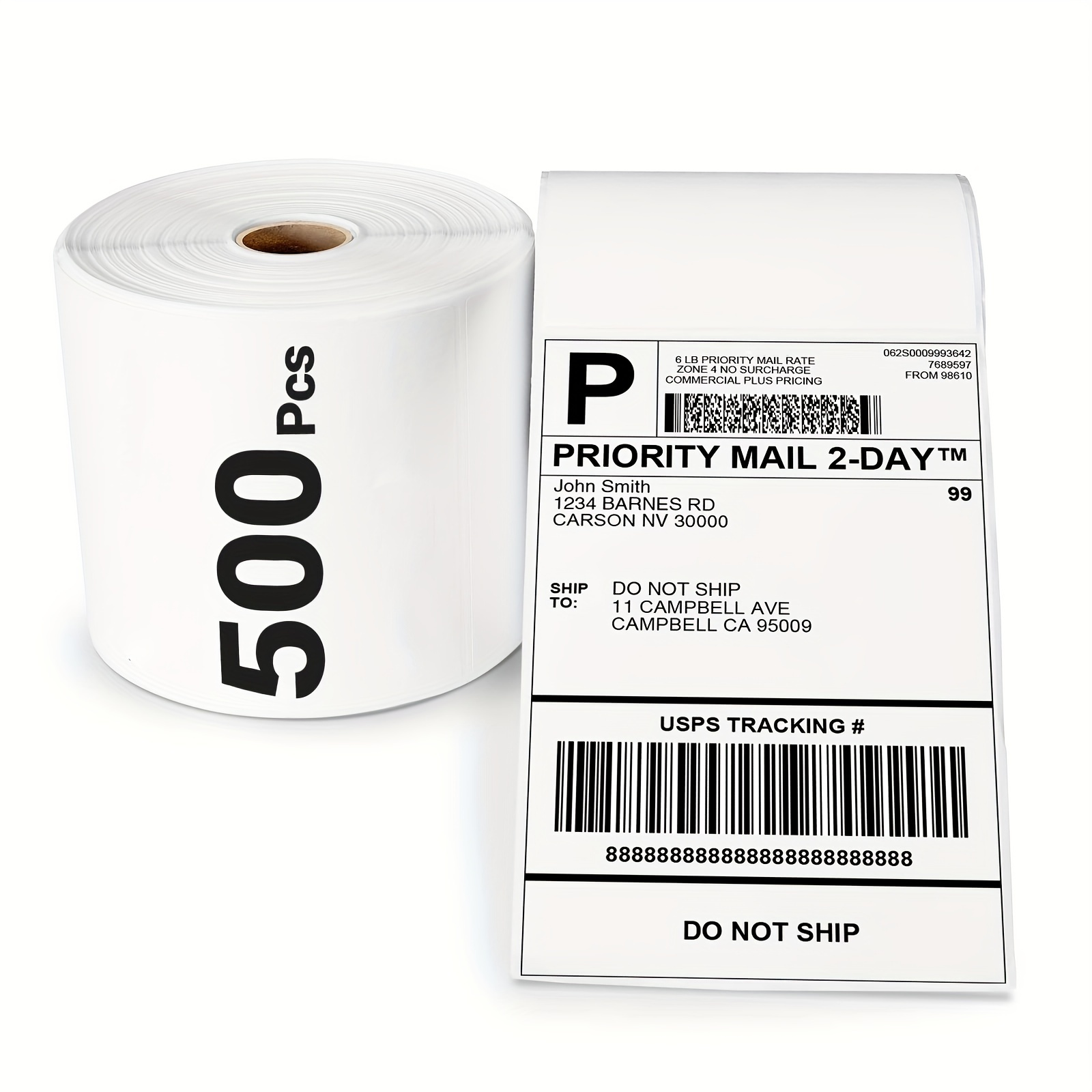
The Importance of Adhesion for Shipping Labels
Shipping labels contain more than just a list of the contents of a package. They contain vital information for each part of the shipping process including warehousing and delivery to the final destination. Adhesion is one of the most important factors for a shipping label to serve its purpose. In terms of shipping labels, adhesion is the measurement of the ability of the label's adhesive layer to bond to the surface the label is adhered to. This includes initial tack and static shear adhesion. Initial tack is like a snap adhesion that bonds the label to the surface in the packaging process. On the other hand, static shear adhesion is a measure of how well the label withstands the erosion of force and environmental conditions that may cause the label to fall off. Shipping labels with poor adhesion make the information of the label worthless, and the shipping process gets interrupted. This is the main reason why shipping labels are judged primarily by their adhesion in the shipping industry.
Material Compatibility and Testing Standards for High Adhesion
Adhesives for shipping labels are not one-size-fits-all. The performance of a shipping label is only good if the adhesive, label, and all their materials are optimized and pass the tests outlined by the industry. High adhesion shipping labels commonly use permanent acrylic pressure-sensitive, rubber, and silicone adhesives. Acrylic pressure-sensitive adhesives have good long-term adhesion and weather resistance, therefore, work in most standard logistics activities. Rubber adhesives have good raw stickiness and good adhesion on rough materials such as corrugated box surfaces, and silicone adhesives are for low adhesion materials, i.e., low adhesion plastic express bag surfaces. Adhesives do not bond with all materials equally. Some, such as PET and vinyl, are good because they have higher adhesion and are superior in withstanding extremes of the environment. Standards such as GB/T 4851-2014 and ISTA 3A exist because the industry is concerned with the adhesion and peel strength of shipping labels.
An example would be how GB/T 4851-2014 outlines the test conditions and how tape holding power is judged at normal and elevated temperatures, while ISTA 3A professionally evaluates the transport environment to measure the adhesion stability of labels under the effects of vibration, drops, and temperature cycles. These standards lay a scientific and authoritative basis for the production and choice of high adhesion shipping labels.
High Adhesion Labels Are Built to Last in Logistical Complexities
High adhesion is a shipping label's answer to the logistical complexities of the cold chain shipping process. Labels will undergo a multitude of environmental effects while adhesive labels will experience significant thermal expansion of the adhesive layer. Shipping labels' cold chain shipping label's adhesive layer undergo thermal expansion of the adhesive layer Cooling to an extreme of -10 degrees celsius to warming to an extreme of 40 degrees celsius. Adhesives that remain bonded through the everchanging band of the adhesive layer are called High adhesion adhesives. In addition to High adhesion adhesives, the surfaces to which the label is bonded fuses with a varied compliance of surfaces, including smooth plastics, oily cartons, and even wet packaging materials. The label adhesive is engineered to be fully reliable and consistent to a fault as to provide the ultimate adhesion to all surfaces as the amalgamation of surfaces. The shipping process uses extreme vibrations as dips, drops and jar to provide forces that are to be counter balanced by the adhered interface of the label, While label adhesion is challenged to its extremes, peeling is purely by design of the process. Illegible labels cause a loss to be incurred.
Operational Issues From Adhesive Failures in Real Logistics
Logistics companies and sellers face large operational pain points from shipping label adhesion failure. This has been proven through many real logistics cases. A cross-border e-commerce seller experienced 12% return rates in the Southeast Asian market due to shipping label adhesion failure. During the Southeast Asian rainy season, humid weather caused the adhesive layer of shipping labels to absorb water and swell, which reduced its ability to stick. Labels that lose adhesive do not allow for proper sorting and delivery, which creates a lot of problems for after-sale operations and causes customer complaints. A cold chain logistics company also experienced problems when labels on frozen food packaging fell off during low-temperature storage and transport. This resulted in a loss of important goods information and failure of batch traceability. All of these cases demonstrate that shipping labels can be a cause of serious problems which can increase operational costs, decrease efficiency, and hurt brand value.For years within the industry, the cost of a logistics adhesion failure has represented a loss of approximately 5% to 8% of total logistics cost, which is a cost risk that business cannot avoid.
High Adhesion Shipping Labels and their Commercial Advantages
High adhesion shipping labels have not only technical specifications to meet. There is also important commercial value which can reduce logistics chain operational costs. First; high adhesion labels allow accurate logistics information transmission and no delivery delays caused by labels falling off, which also improves logistics operational efficiency. Improved operational efficiency savings directly reduce manual reconciliation and sorting. Second; high high adhesion labels reduce customer service costs, lost goods and re-labeling expenses due to missing labels. Costs due to customer compensation, brand maintenance, reverse logistics and customer returns and exchanges resulting from lost labels are more expensive than using high adhesion labels. Furthermore, reliable and consistent shipping labels boost customers' perception of the brand and value of the customer experience which improves brand loyalty.
Cross-border logistics companies use high adhesion shipping labels for customs clearance to enhance information visibility and retention. This way, labels stay in place and transport risk is managed. High adhesion shipping labels offer long-term value to cross-border companies.
Choosing Adsive Shipping Labels The selection of high adhesion shipping labels must be performed according to objective standards rather than subjective assessment. First of all, one should determine which adhesive type should be used based on the type of material to which it has to stick. For rough surface of corrugated cartons, one should choose rubber-based adhesives which have strong initial tack; For smooth surfaces of plastic express bags, one should use silicone adhesives and for most typical logistics use cases, one should use acrylic pressure sensitive adhesives which are of medium to high templature silicone adhesive. The transportation condition must be considered for the substrate of the label. in the event of cold chain and extreme temperature conditions, it is advised to use PET substrates which are more temperature resistant; Flexible vinyl substrates are recommended for increased flexibility for curved package surfaces. The last preparative step is to conduct real condition based tests on the selected labels in the range/zone of real conditions to determine whether the labels have adhesion stability.
Lastly, you should choose consistent suppliers and request the test reports of their labels based on recognized standards such as GB/T 4851-2014 and ISTA 3A. This is to ensure the quality of the products being shipped. With a more scientific approach, the superior quality of shipping labels, especially their adhesion, can be fully utilized in the actual logistics process.