Baking pans can be protected by using Baking Parchment Paper. It can also be used as a divider between layers in a cake. Parchments allows for easier cleanup. It’s also protective against the heats of an oven. Paper can be used in building a baking pan. It has non-stick features which allows cake to easily slide out when baking is done. It is also used to warm bread.
There’s a wide array of papers to choose from for baking. Availability of food grade and safety stamped paper is necessary. Paper designed for use with extremely hot materials is used to bake bread and pastries at high heats. Bread and pastries use paper that can resist 220 degrees celcius. When baking delicate items like cookies and macarons, use lighter paper designed for that.
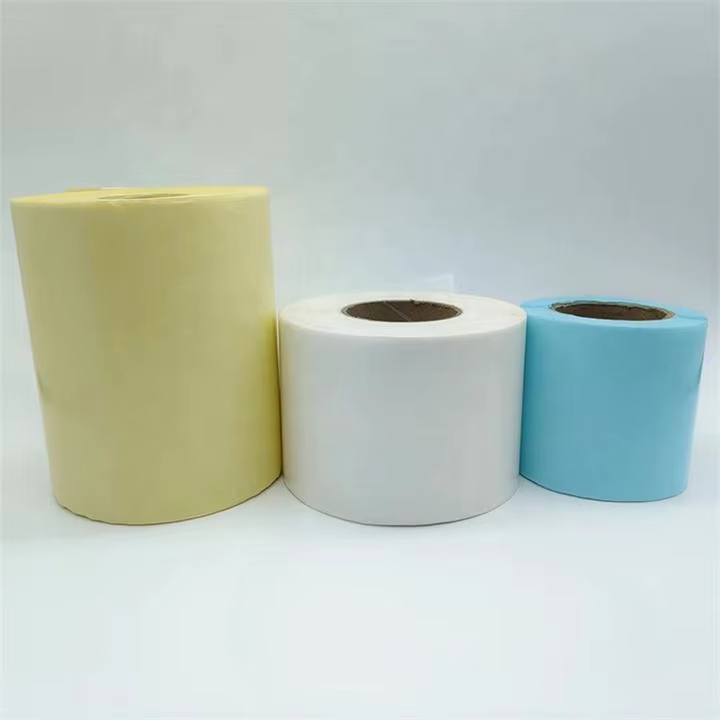
Even if you use silicone paper, some preparation is still needed to get the best results. First, ensure the baking tray is clean and dry. Sometimes, dirt will get stuck to the silicone paper, making it easy to lift. After that, cut the silicone paper to match the tray size without going over the edges. The extra paper will shrink in the oven, causing uneven baking. Lightly spraying the tray with cooking oil will help the paper stick down and hold flat, which works great with runny batters and batters that need to spread.
Silicone paper alters the baking time and temperature needed. It also slightly changes the heat conduction of the baking paper. Since it is paper thins insulator, you should decrease the temperature by 5-10 degrees Celsius, or decrease the baking time by 5-10 minutes to help prevent over baking. You will want to keep an eye on the baked items during the first few uses of silicone paper to monitor how it changes the baking process. It also helps keep the moisture in items like cakes and quiches, making it evenly baked with a golden top.
Silicone paper isn't just for lining trays. To roll out dough, you can keep the dough in the middle of two sheets so it doesn’t stick, and for easier cleaning, you can make it a dough sandwich. To store sticky ingredients like fudge or caramels, wrap them in silicone paper so they won't stick to the container. For layered desserts or cheesecakes, you can line the sides of a springform pan with silicone paper so the sides come off clean and smoothly. It can also catch drips from pies or tarts to keep the oven clean when you bake.
For you to get the maximum value of your silicone paper, you must store and reuse it properly. After you have used the paper, let it cool, and wipe it with a damp cloth for reuse–this works well for dry or slightly oily baked goods. For safety, don’t reuse paper that has touched raw meat or fish. For the best results, store unused silicone paper in a dry, cool place away from direct sunlight. To maintain the paper’s non-stick quality, replace it when it starts to discolor or show signs of wear.
Minimizing mistakes will give you the best results when using silicone paper. First, never use silicone paper in the toaster oven or microwave–it will either catch fire or melt. Using knives or scissors directly on the paper will ruin the non-stick surface, and don’t cover an entire oven rack with silicone paper. There must be enough space for air to circulate, so the food will bake evenly. Finally, don’t use torn or damaged silicone paper. It will not protect, will stick to baked goods, or be damaged.
 Hot News
2025-06-01
2025-08-22
2025-08-21
2025-08-20
2025-12-31
2025-12-29

Dongguan Kjnmatech Co., Ltd. provides custom self-adhesive labels, stickers, and thermal barcode solutions for industrial and consumer products. ISO-certified quality, 19+ years of manufacturing expertise, SGS & FSC certified. Request a quote today.
Room 101, No.31 Xinnong Road,Nancheng Street, Dongguan City, Guangdong Province, China
Copyright © 2025 by Dongguan Kjnmatech Co., Ltd. Privacy Policy
 EN
EN